

Hanadama Pearl Necklaces
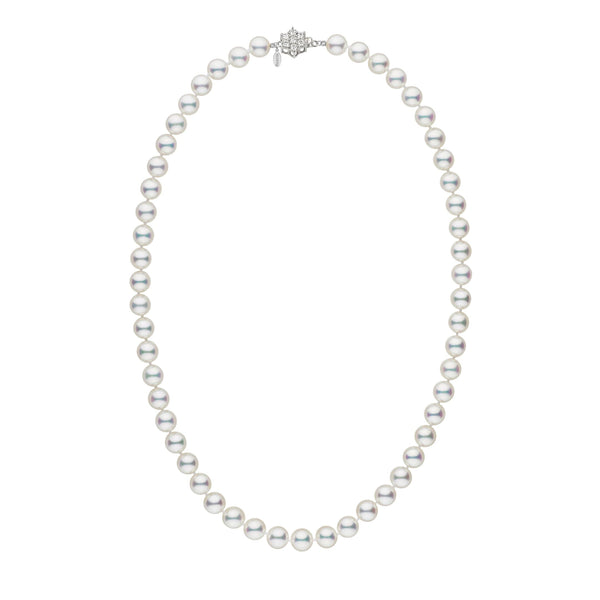
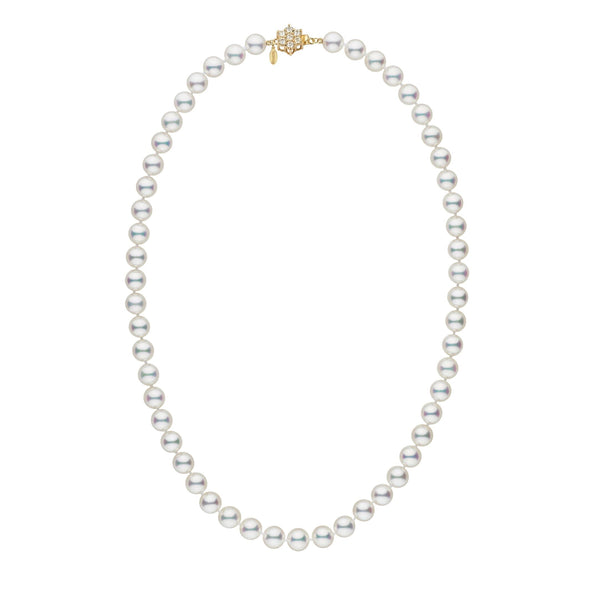
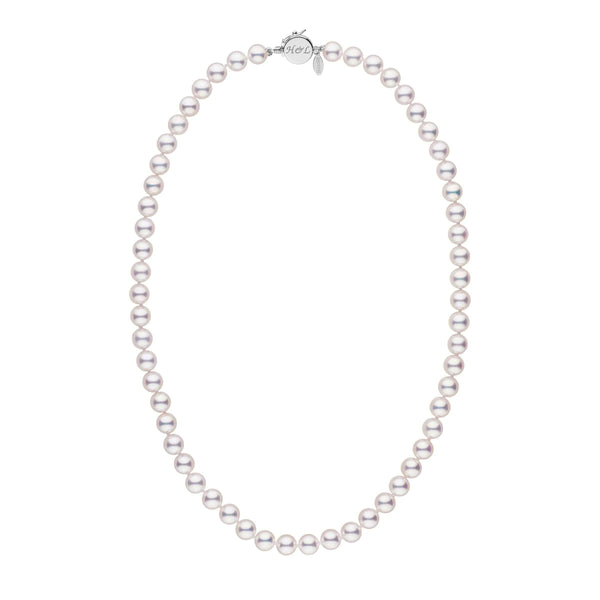
Every strand here passed hanadama testing at an independent laboratory and ships with its uniquely numbered report. We select the pearls in Japan before the laboratory sees them, then knot each strand on silk in our Los Angeles studio. Choose by size and color below, and ask us to photograph the exact strand before we finish it.

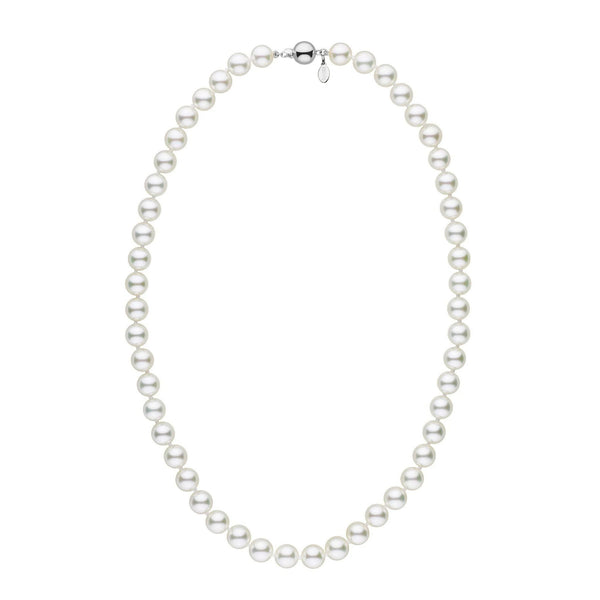
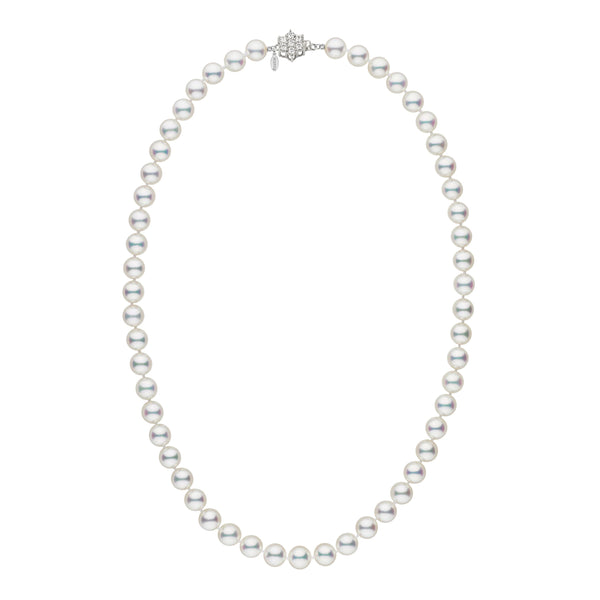
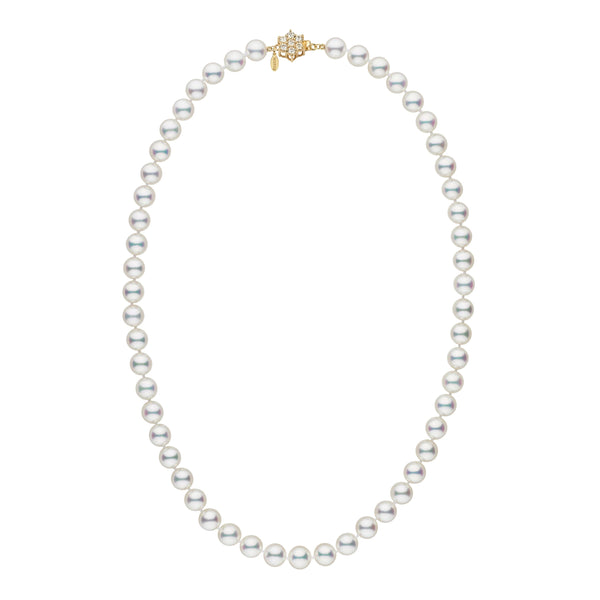
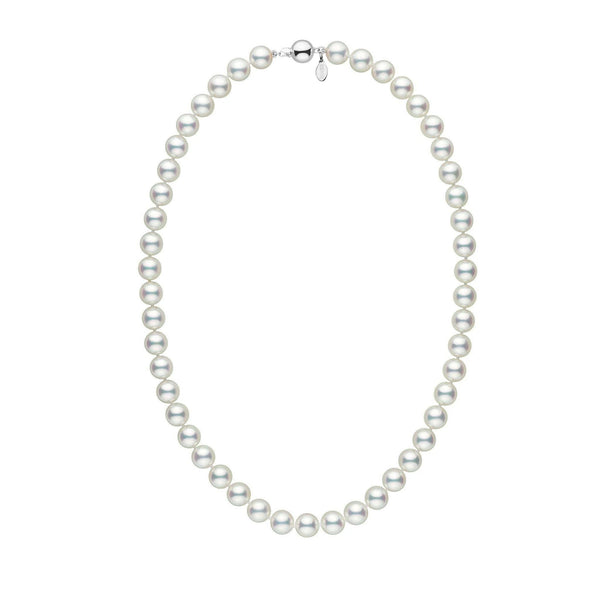
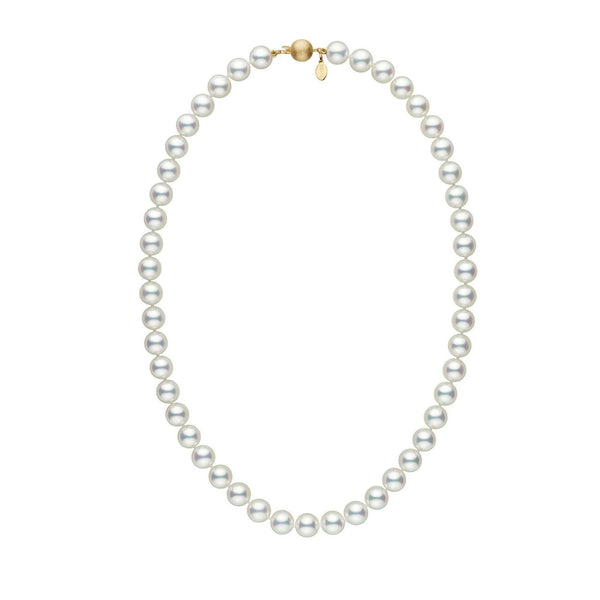
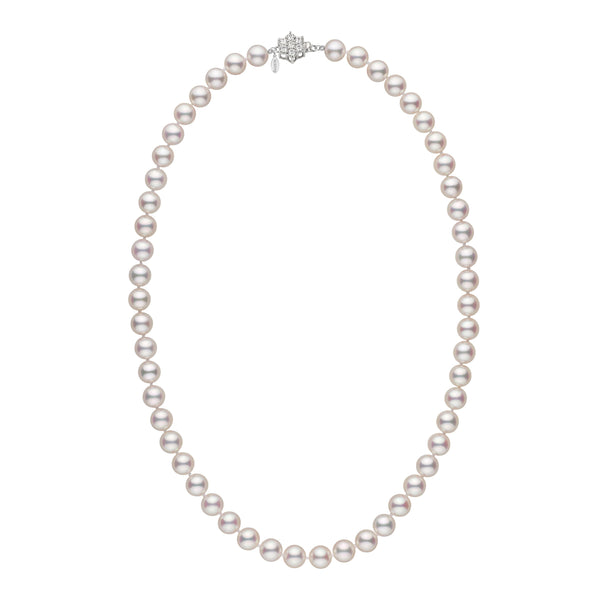
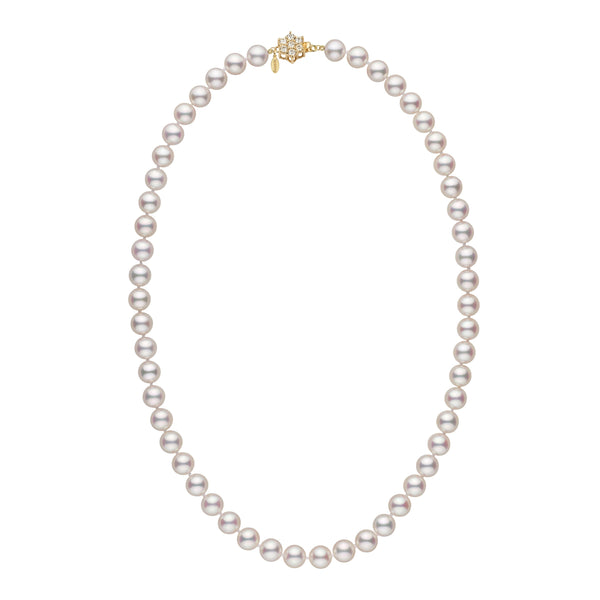
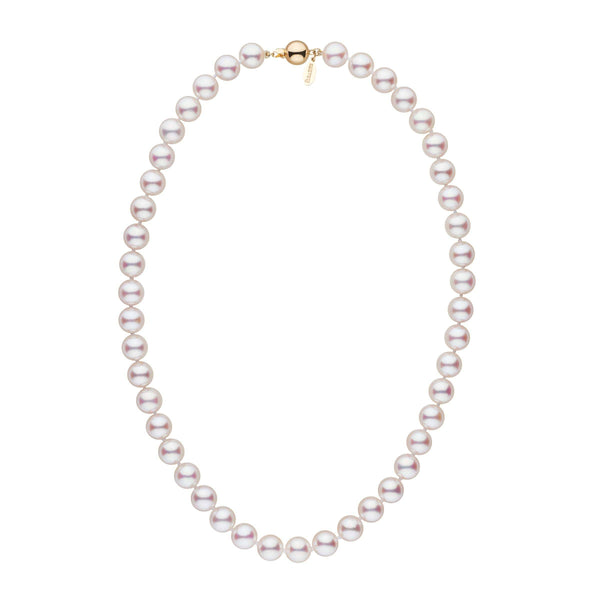
Choosing a hanadama necklace
Four things decide what a strand looks like on you and what it costs.
Size
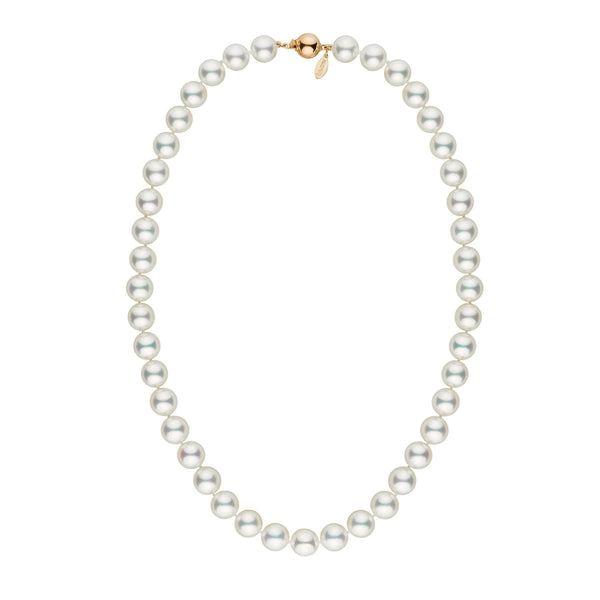
Hanadama here runs 6.5 to 10.0 mm. 7.0 to 7.5 mm is the most popular size by a wide margin, and 8.0 mm and up climbs steeply in price, because large akoya are scarce before a laboratory report is added to them.
Color
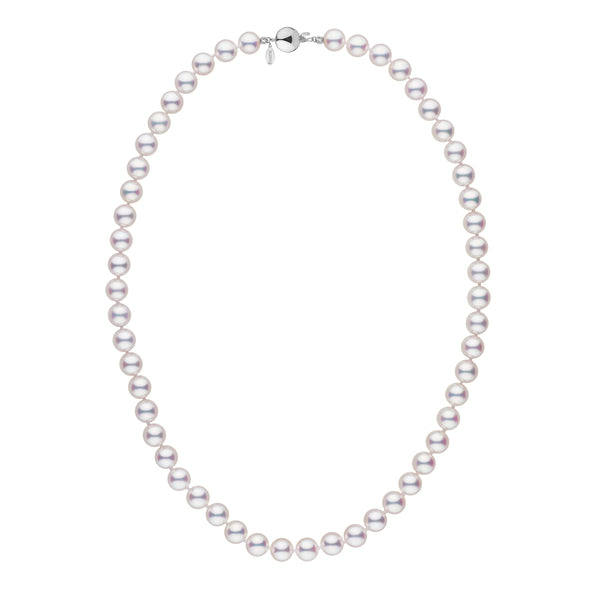
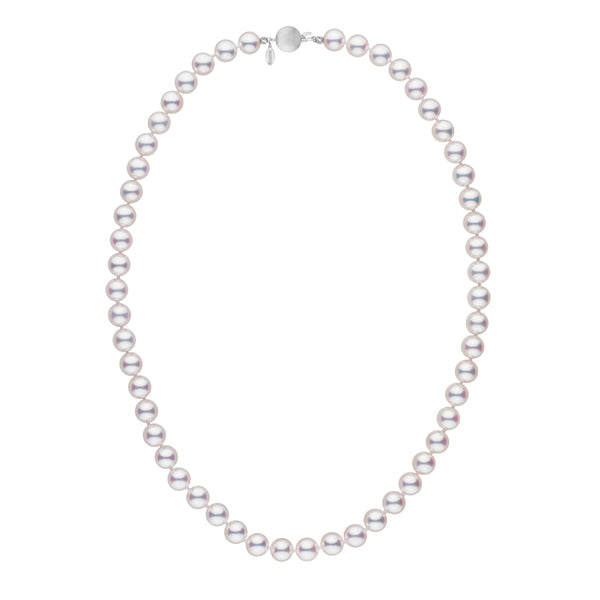
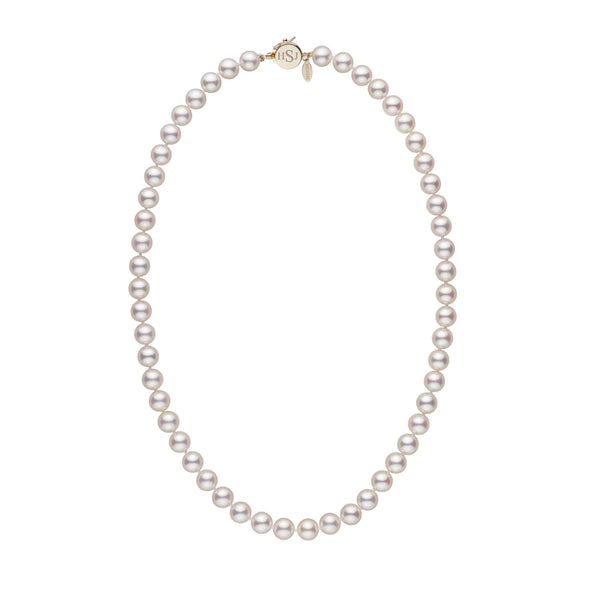
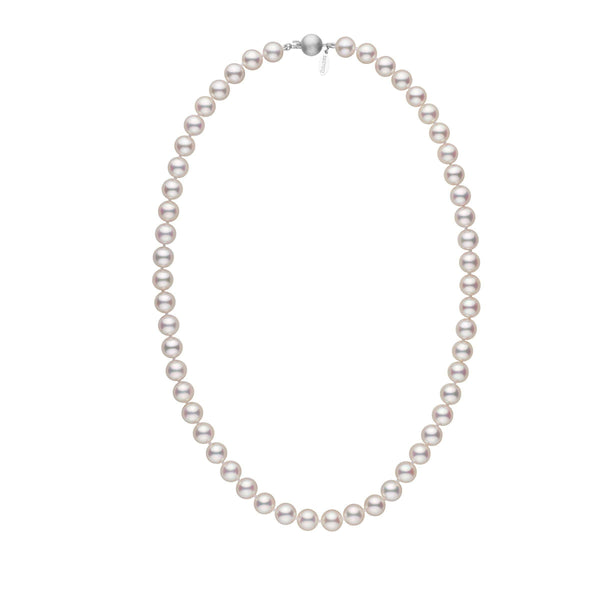
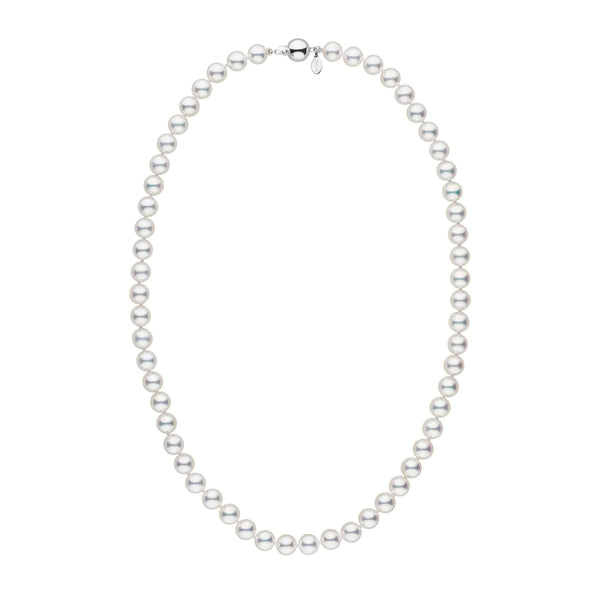
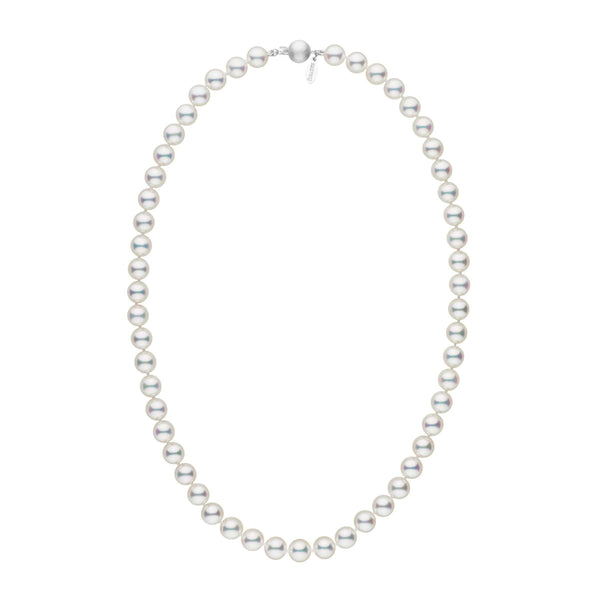
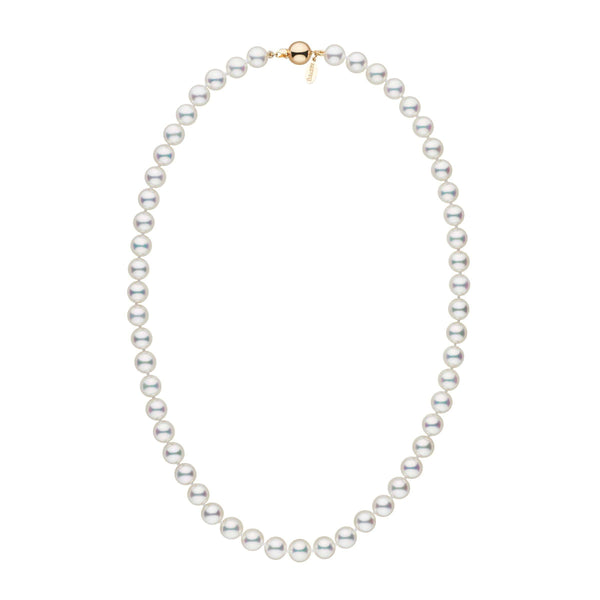
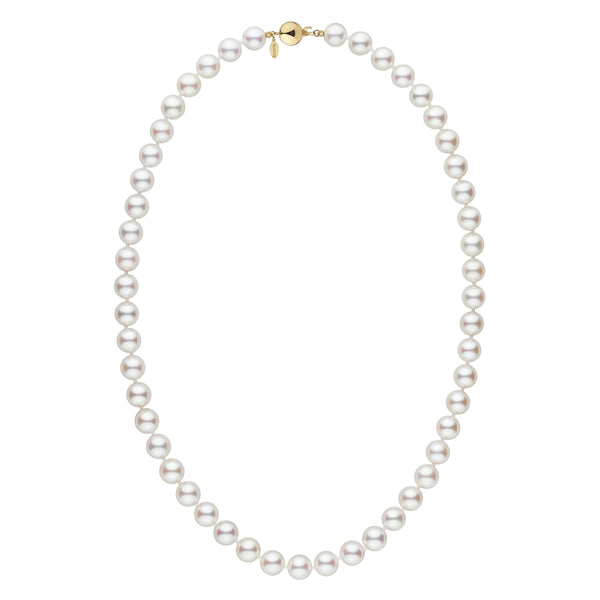
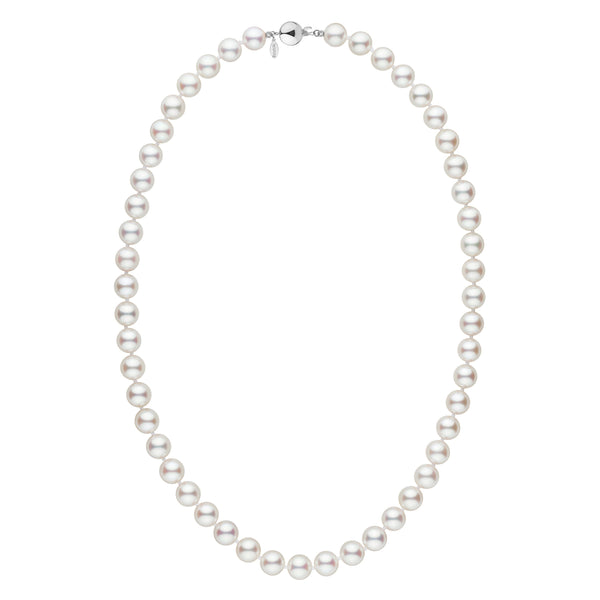
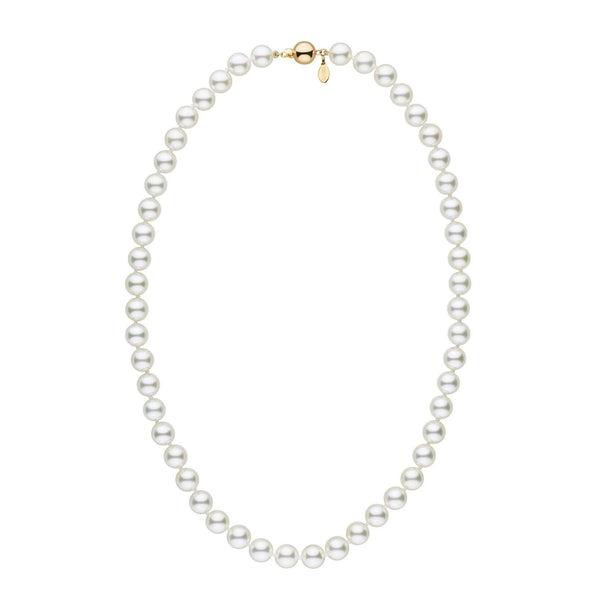
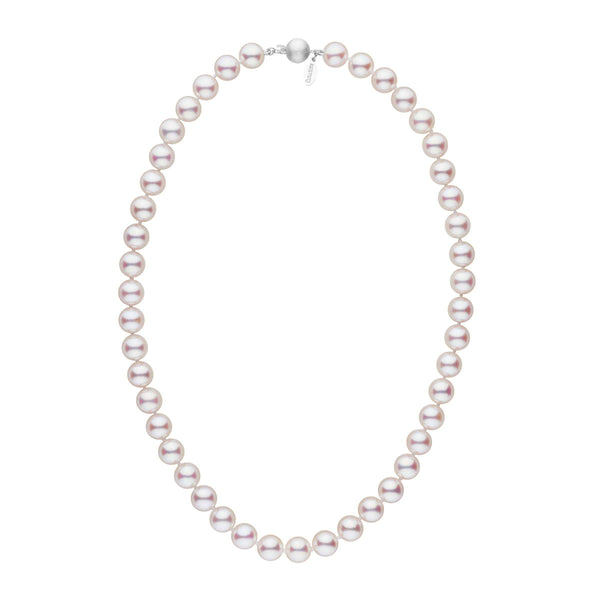
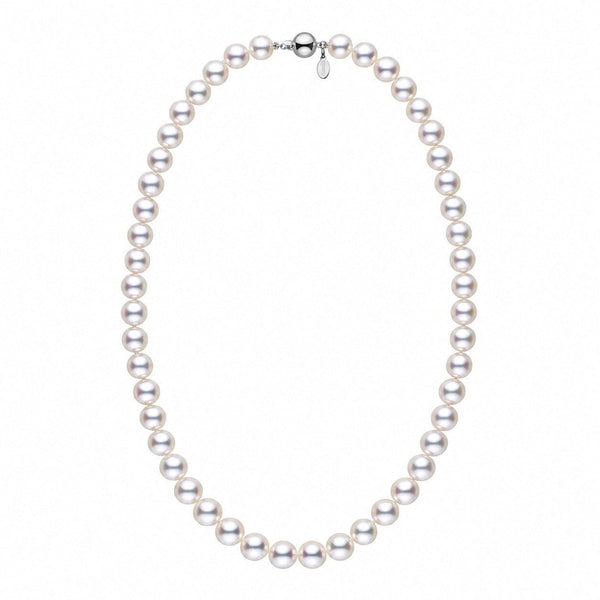
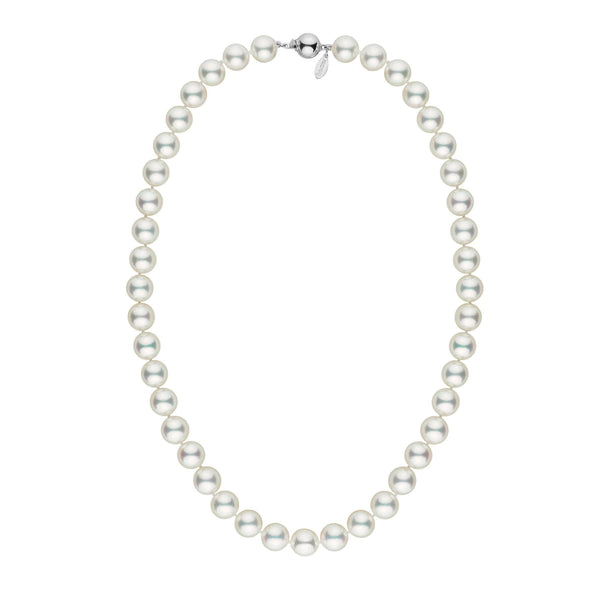
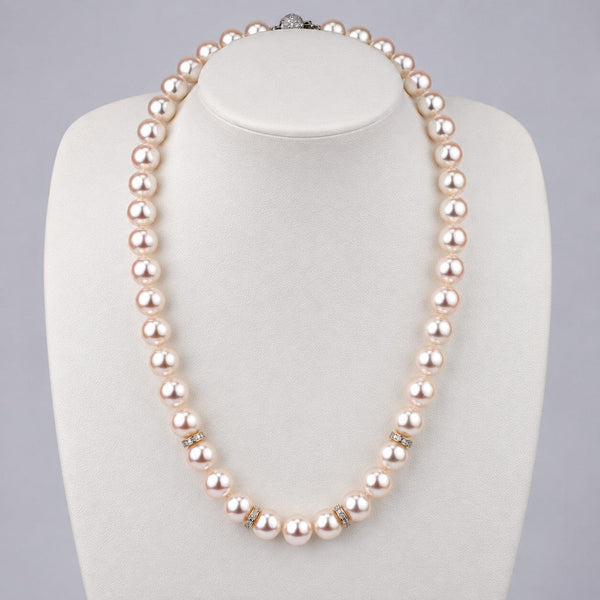
Classic white carries the familiar rose overtone most people picture on a Japanese pearl. Natural white was left out of pinking, the standard color step, and reads cooler and cleaner. Neither is the better pearl. It is a matter of taste.
The laboratory report
Issued after the strand is tested, never by us, and it ships with the strand. The Pearl Science Laboratory of Japan certifies hanadama. GIA issues a pearl classification report noting that the pearls fall in the hanadama quality range. Strands listed by an exact range, such as 7.52 to 8.00 mm, are one of a kind pieces listed by the measurements on their GIA report.
Length
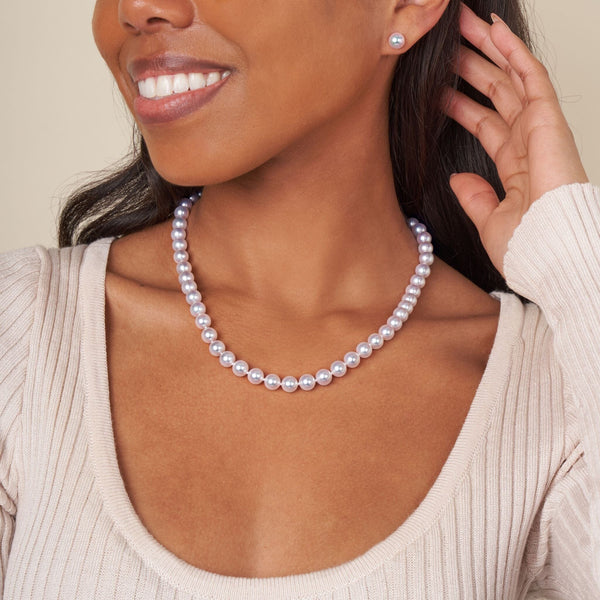
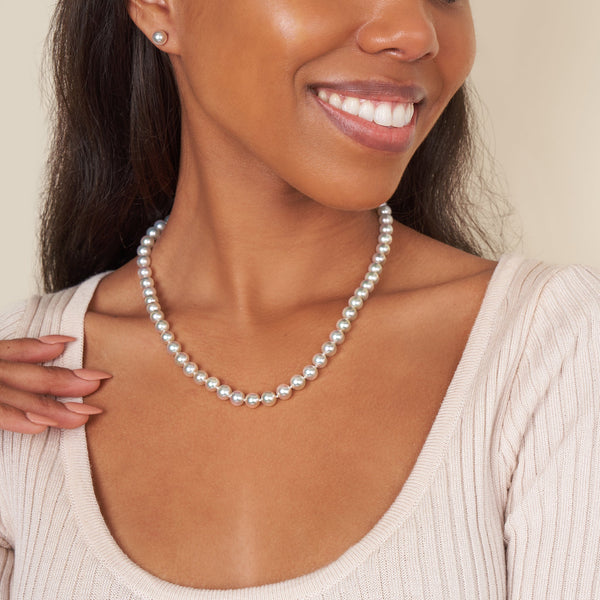
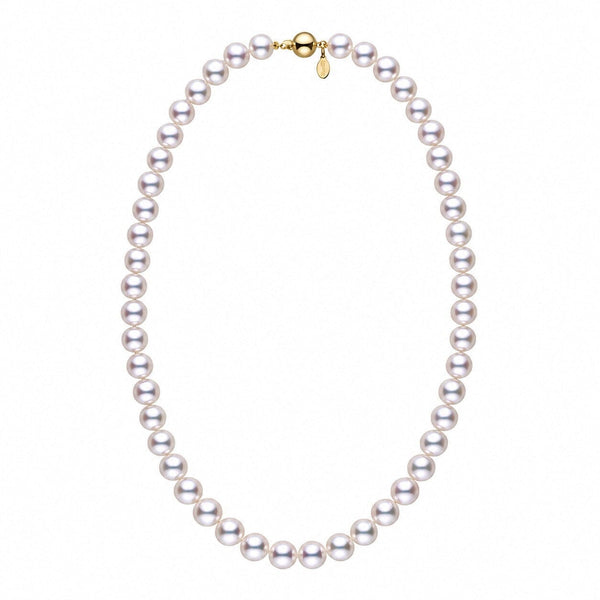
Most strands are knotted to order in 16 or 18 inch. 18 falls just below the collarbone and is what most people choose. If you want something else, ask and we will tell you what is possible.
Before you buy
What does hanadama mean?
花珠, hanadama, flower pearl. It is not a type of pearl. It is a designation given to Japanese akoya from the top of a harvest, based on luster above all, then nacre, surface, shape and matching, and it is earned at a laboratory rather than claimed by the seller. Every strand on this page ships with the numbered report that proves it.
Who tests these strands?
Either the Pearl Science Laboratory of Japan or GIA, and the product page tells you which. The Pearl Science Laboratory certifies hanadama against its published criteria. GIA does not certify pearls. It issues a pearl classification report, and on qualifying akoya it notes that the pearls fall within the hanadama quality range. There is no single universally accepted hanadama standard, so we name the laboratory rather than simply calling a strand hanadama and leaving it there. GIA applies the tighter of the two standards, particularly on surface. A strand that earns that note from GIA would meet the Pearl Science Laboratory's requirements, though the reverse is not always true.
If two strands are both hanadama, why is one so much more expensive?
Because the designation covers a wide band. Two strands can both be hanadama and still differ dramatically in luster, matching and overtone, and one can sell for a small fraction of the other. The report confirms the strand cleared the bar. It does not say by how much. Luster is where the gap usually shows first, and it is the one thing a photograph struggles to carry, which is why a specialist will put several strands side by side on camera for you.
What is natural white hanadama?
Nearly every akoya is pinked, a color step that brings up the faint rose overtone people associate with Japanese pearls. Natural white skips that one step. The pearls still go through maeshori and bleaching like every other akoya, are never pinked, and are chosen afterward for their own color. Same testing, same laboratory, and the report notes that no color treatment was found. The look is a cooler white rather than the traditional rose.
Can I choose the length and the clasp?
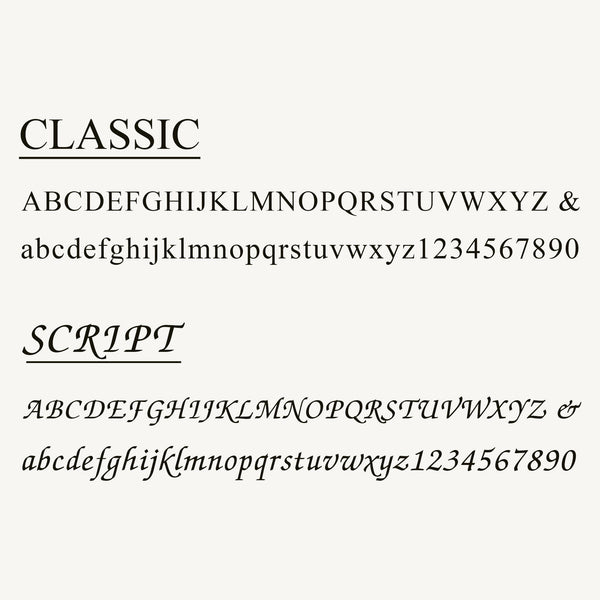
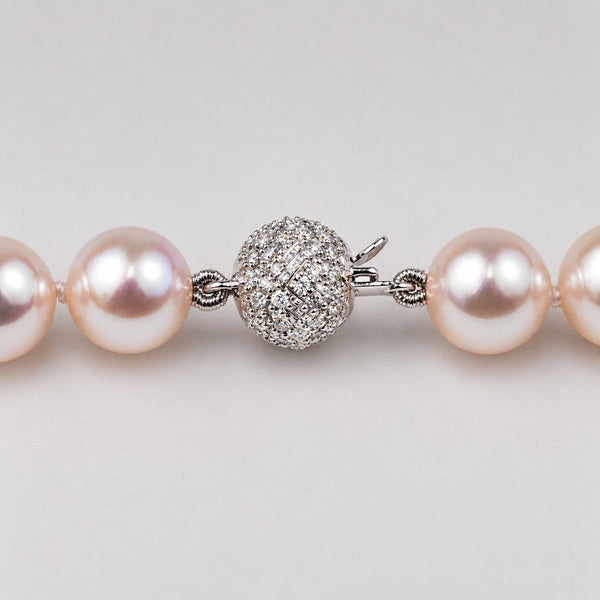
Most strands here are knotted to order, so the length and the clasp are chosen on the product page. The one of a kind GIA pieces are finished strands listed exactly as photographed, so ask us first and we will tell you what is possible.
Can I see the exact strand before it ships?
Ask us and we will photograph it for you. Knotted to order strands are assembled for you rather than pulled off a shelf, and for the one of a kind pieces we will photograph the actual strand. Request photographs or a short video on any product page, at no cost and with no obligation to buy.
Still deciding?
Hanadama is the category where the difference between two hanadama strands is hardest to see in a photograph and easiest to see side by side. A specialist will put several on camera for you. Most appointments run about twenty minutes.


