


Shop Freshwater Pearl Jewelry
Hand-selected at the source. Finished in our Los Angeles studio.
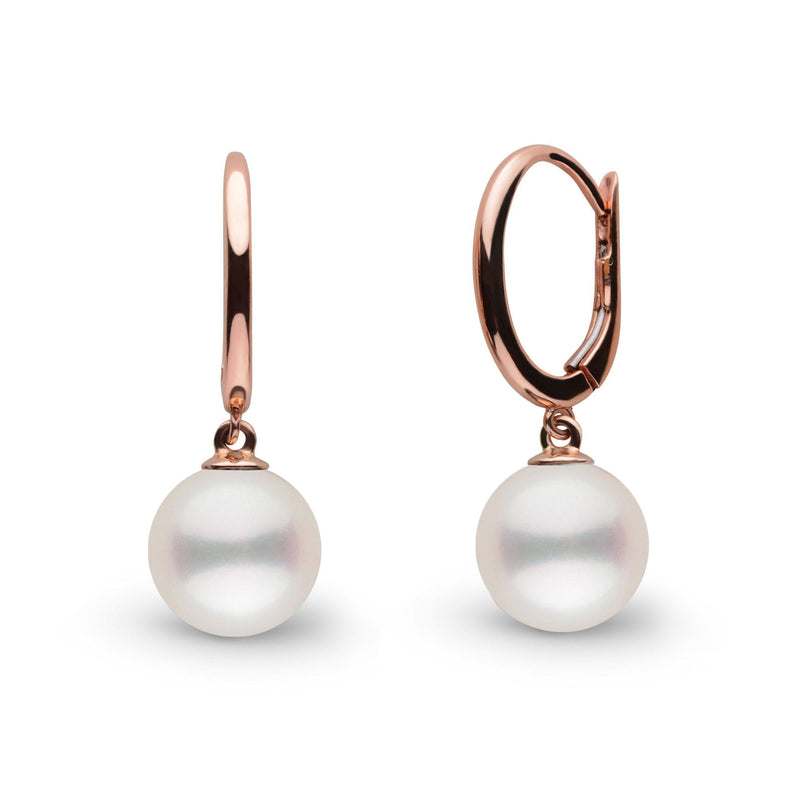
Freshwater Pearl Earrings
Chosen for luster and soft pastel hues, matched within two-tenths of a millimeter and set by hand on solid 14 karat gold.
SHOP EARRINGS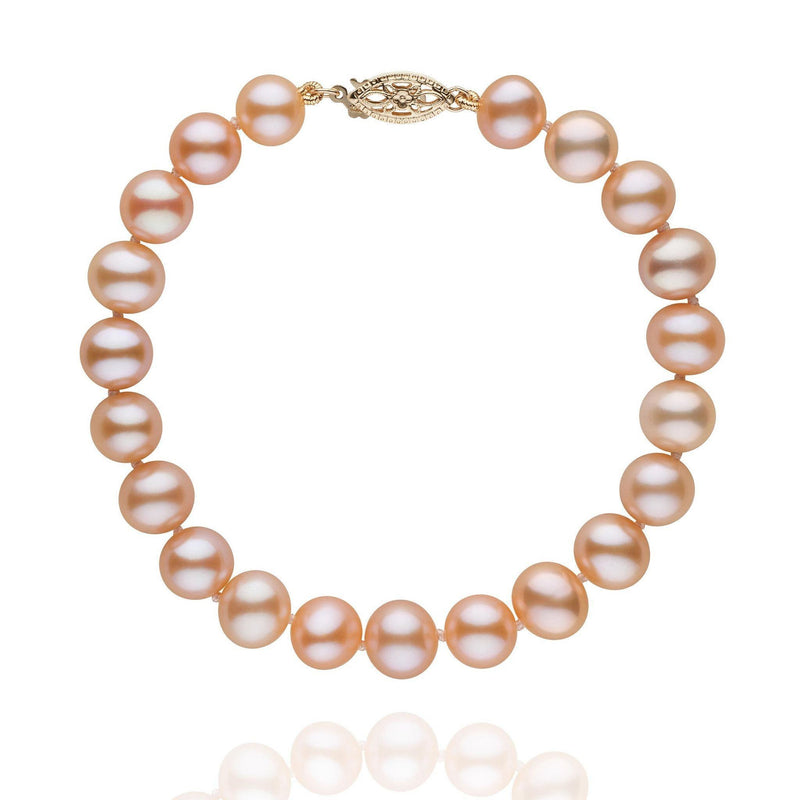
Freshwater Pearl Bracelets
Selected for luster, color, and near-round shape, hand-knotted on silk and finished with a solid 14 karat gold clasp.
SHOP BRACELETS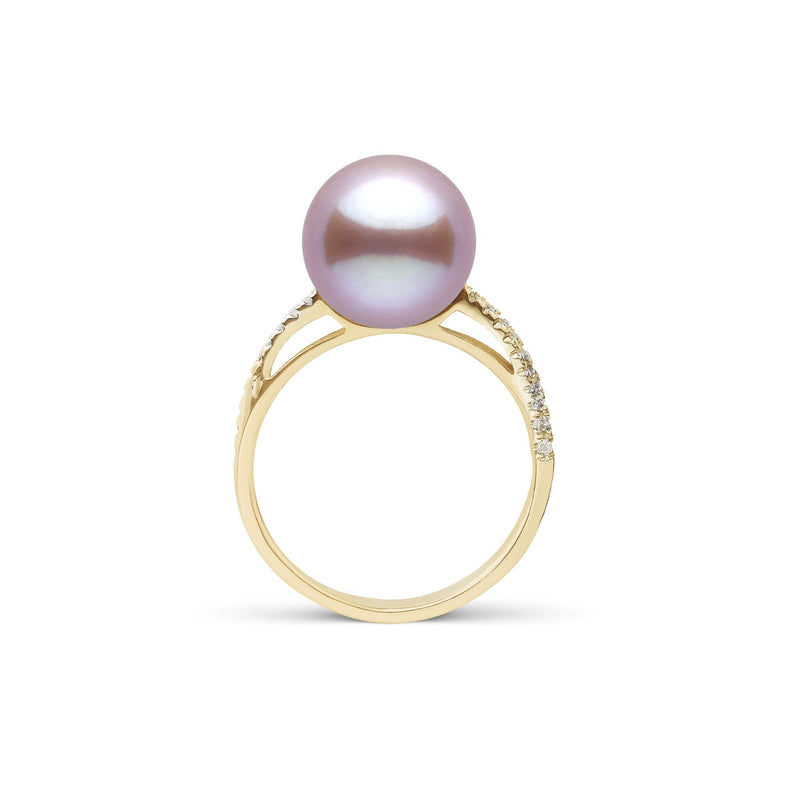
Freshwater Pearl Rings
Gem-quality pearls chosen for exceptional luster and shape, set by hand in solid 14 karat gold with natural VS1 diamonds.
SHOP RINGS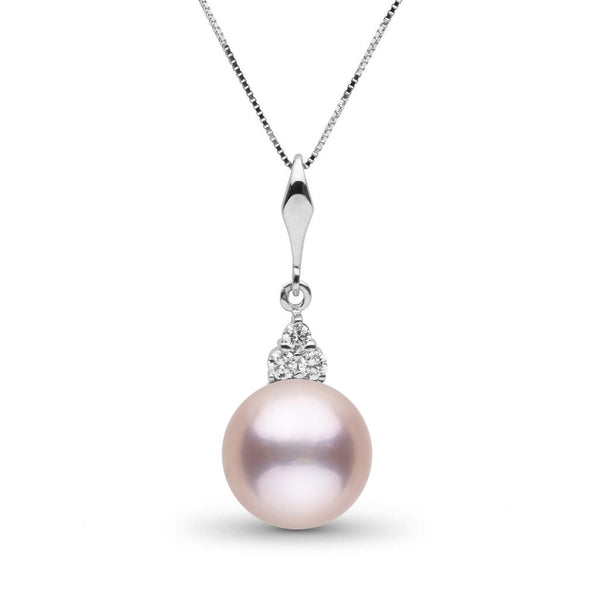
Freshwater Pearl Pendants
A single pearl chosen for exceptional luster and soft pastel color, set by hand in solid 14 karat gold.
SHOP PENDANTS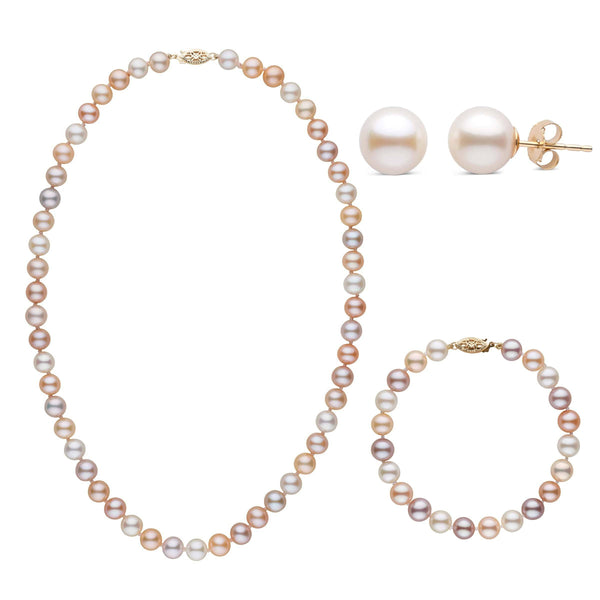
Freshwater Pearl Sets
Matching necklaces, bracelets, and earrings, chosen for luster, color, and near-round shape.
SHOP SETS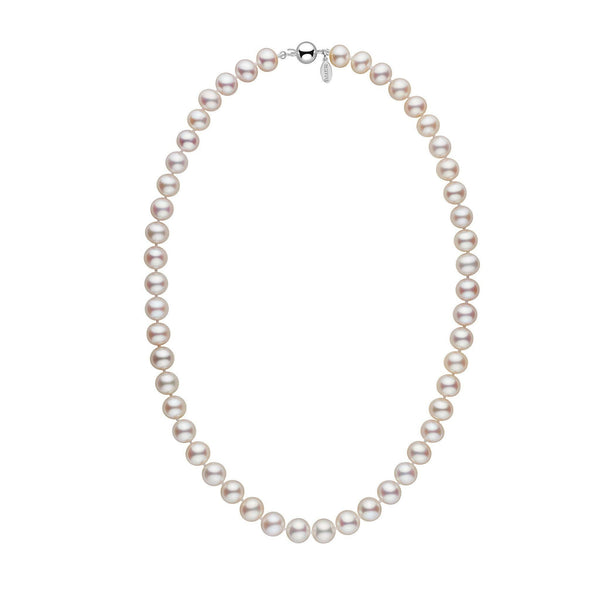
Freshadama Freshwater Pearls
The finest freshwater pearls in the world, loose-grade rounds representing less than one-tenth of one percent of production.
SHOP FRESHADAMA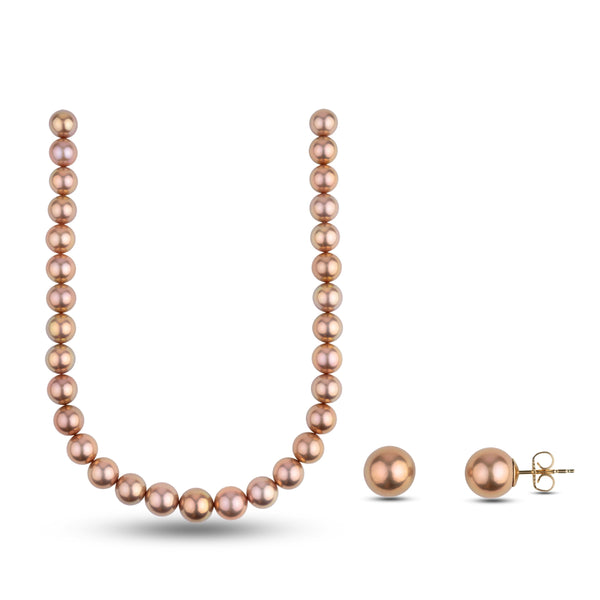
Edison Freshwater Pearls
Bead-nucleated freshwater pearls known for large sizes, thick nacre, and vibrant natural hues. Among the rarest available today.
SHOP EDISONSSelected by Hand. Chosen for You.
We have specialized in freshwater pearls since the 1990s, traveling to Zhuji and Shanxiahu to hand-select strands from thousands at the source. Each strand is graded to our own standards for roundness, luster, and matching, then double-knotted on silk and finished with a solid 14 karat gold clasp in our Los Angeles studio.
SHOP FRESHWATER STRANDSCommon Questions About Freshwater Pearls
Freshwater pearls are the most widely produced cultured pearls in the world, grown almost entirely in China. They form in mussels rather than oysters, and can be cultivated either by tissue grafting or by bead nucleation. Round pearls are rare, as freshwater mussels are capable of producing a wide variety of shapes. This makes perfectly round strands especially valuable.
These pearls are celebrated for their range of natural pastel colors, including white, pink, peach, and lavender. They may also display unusual overtones or deeper hues, which add to their appeal. Black and bright colors are not natural for freshwater pearls and are the result of dyeing.
Pearl Paradise has specialized in freshwater pearls since the late 1990s. We travel regularly to Zhuji and Shanxiahu in China to hand-select the finest strands and loose pearls, ensuring that only the best quality makes it into our collections.
Unlike diamonds, freshwater pearls have no universally accepted grading system. Their value depends on shape, luster, surface quality, and size, but these factors are difficult to sum up with simple letter grades. Because grading is subjective, the same strand might be called AA+ by one company and AAA or even “AAAA” by another.
Many freshwater pearls advertised online as AAA or AAAA are actually inexpensive, off-round “potato” pearls with average luster. These are very different from the near-round to round freshwater pearls we offer. The price difference can be tenfold, which is why you may see so-called “AAA freshwater” necklaces for under $100 while fine-quality strands can cost many times more.
At Pearl Paradise, we have specialized in freshwater pearls since the 1990s. We travel directly to Zhuji and Shanxiahu to hand-select strands from thousands, ensuring that our AA+, AAA, and Freshadama grades reflect true quality standards. This careful selection is what sets our grading apart and ensures that your pearls will be as beautiful decades from now as they are today.
For a deeper explanation, see our article: The Truth About Pearl Grading.
Freshadama pearls are the finest quality freshwater pearls available, representing only a tiny fraction of overall production. They are selected from loose-grade pearls—pearls originally set aside to be sold individually for rings, earrings, or pendants—because they meet the highest standards of roundness, surface quality, and luster. Only pearls that achieve this level are chosen to carry the Freshadama name.
What makes Freshadama pearls exceptional is their rarity. Perfectly round freshwater pearls make up less than one percent of any harvest, and when combined with high luster and blemish-free surfaces, the number drops even further. These pearls are virtually indistinguishable in appearance from fine akoya pearls, yet they possess the added durability of freshwater nacre.
At Pearl Paradise, we created the Freshadama standard to give customers access to these rare pearls in strands and matched jewelry. Each piece is strung or set in solid 14-karat gold, ensuring that the exceptional quality of the pearl is matched by equally fine craftsmanship. Freshadama represents the highest echelon of freshwater pearls, offering a beauty and rarity that few pearls in the world can match.
Edison pearls are a type of bead-nucleated freshwater pearl, first introduced in the early 2010s. Unlike most traditional freshwater pearls, which are grown using small pieces of mantle tissue, Edison pearls are cultured by placing a round bead nucleus inside the body of the mussel, similar to the process used for akoya, Tahitian, and South Sea pearls. This technique allows them to develop into large, near-round pearls with a thick coating of nacre.
These pearls are celebrated for their size and color. While most freshwater pearls range from about 6 mm to 11 mm, Edison pearls can grow dramatically larger—sometimes up to 20 mm. These giant pearls make bold, statement pieces rarely seen in other pearl types. In addition to their size, Edison pearls are admired for their unusually vivid natural hues, including white, pink, lavender, peach, bronze, and even metallic tones that are distinctive to this variety.
Edison pearls are produced almost exclusively in Zhuji, China, the center of the world’s freshwater pearl industry. Because they require special cultivation methods and longer growing times, they make up only a small percentage of freshwater pearl production. At Pearl Paradise, we travel directly to Zhuji and Shanxiahu to hand-select Edison pearls for their luster, color, and surface quality, ensuring that each one meets our high standards of beauty.
Freshwater pearl necklaces offer a wide variety of sizes, typically ranging from 6 mm to 11 mm. Pearls in the 6–7 mm range create a delicate, youthful look, while 7.5–8.0 mm strands—among the most popular—provide a timeless balance of elegance and versatility. Larger sizes such as 9.5–10.0 mm and above make a bolder statement and are prized for their rarity in high-quality strands. Edison freshwater pearls can grow far larger, reaching up to 20 mm, and these giant pearls create dramatic statement pieces unlike anything else in freshwater pearl jewelry.
Length plays just as important a role. A 16-inch choker or 18-inch princess length rests gracefully along the neckline and pairs easily with most outfits, while strands of 20 inches or more can be styled more casually or layered for impact. Opera and rope lengths create dramatic, versatile looks that can be doubled or knotted.
The right choice depends on your style, build, and how you plan to wear your pearls. Mid-size pearls in the 7.5–8.0 mm range at 16–18 inches are the most versatile for everyday wear, while larger pearls and longer strands—including oversized Edison pearls—are ideal for making a more luxurious, statement-making impression.
Yes. Every freshwater strand and bracelet we sell is double-knotted on silk thread. This prevents pearls from rubbing against each other and ensures that if a strand were ever to break, only a single pearl would come loose instead of the entire necklace.
All of our freshwater pearl clasps are made from solid 14 karat gold. Earring posts, pendant settings, and ring mountings are also solid 14 karat gold. We never use plated or base metals. For diamond accents, we only use natural diamonds of VS1 clarity and G color.
Yes, most freshwater pearls undergo processing after harvest. White freshwater pearls are typically treated to gently improve their appearance, much like other cultured pearls. This may include cleaning, polishing, and a mild bleaching process to achieve a more uniform color and bright luster. These treatments are standard in the pearl industry and are considered routine finishing steps rather than enhancements.
Pastel colors, however—such as pink, peach, and lavender—are naturally occurring in freshwater pearls. These hues are not the result of processing, but rather the natural growth conditions inside the mussel. Their subtle variations in tone and overtone are part of what makes freshwater pearls so distinctive and desirable.
Because both white and pastel freshwater pearls are processed with care, the end result is a gem that retains its natural beauty while being prepared for long-lasting use in jewelry.
What Our Clients Have To Say
Prefer to Choose Your Pearls Together?
Book a complimentary virtual appointment and view strands live with our team. We'll walk you through color, luster, and matching, and help you find the one.


