


Shop Akoya Pearl Jewelry
Selected in Japan. Finished in our Los Angeles studio.
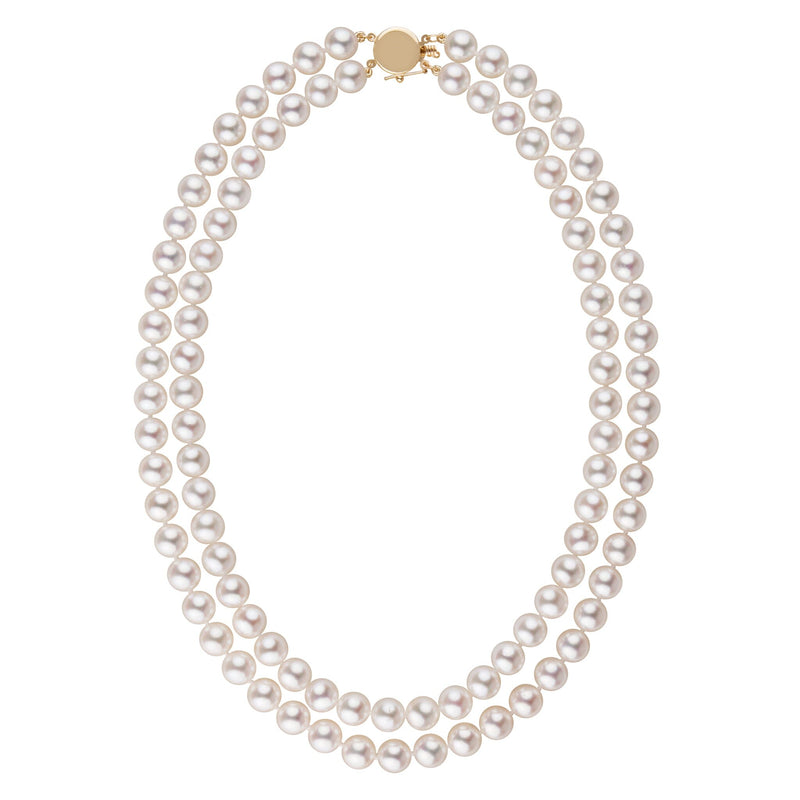
Akoya Pearl Necklaces
Hand-selected Japanese akoya, graded for luster and matching, then double-knotted on silk and finished with a solid 14 karat gold clasp.
SHOP NECKLACES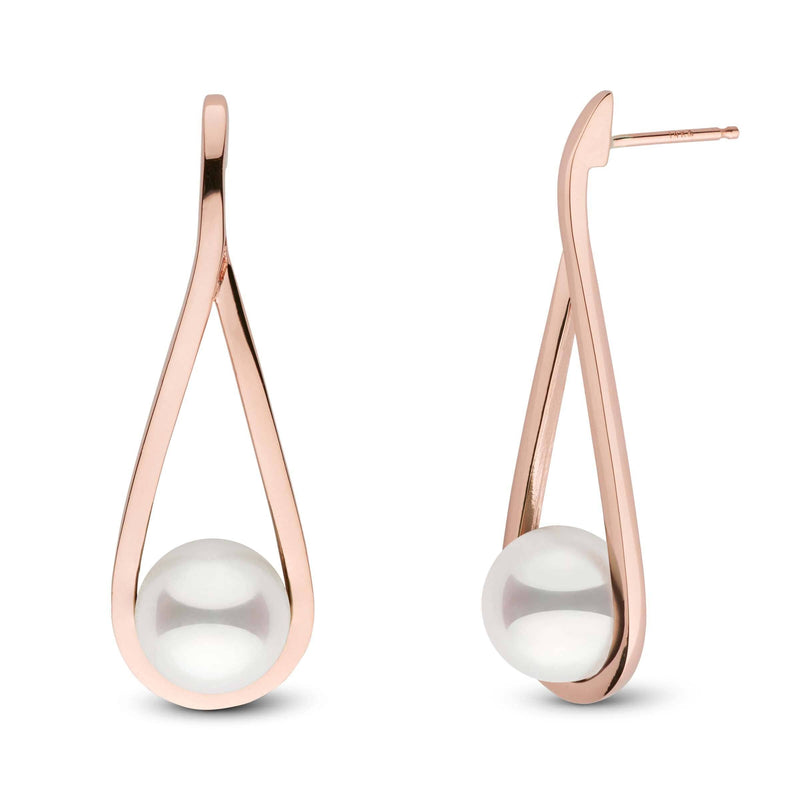
Akoya Pearl Earrings
Made in-house from loose Japanese akoya pearls, matched within two-tenths of a millimeter for color, shape, and luster.
SHOP EARRINGS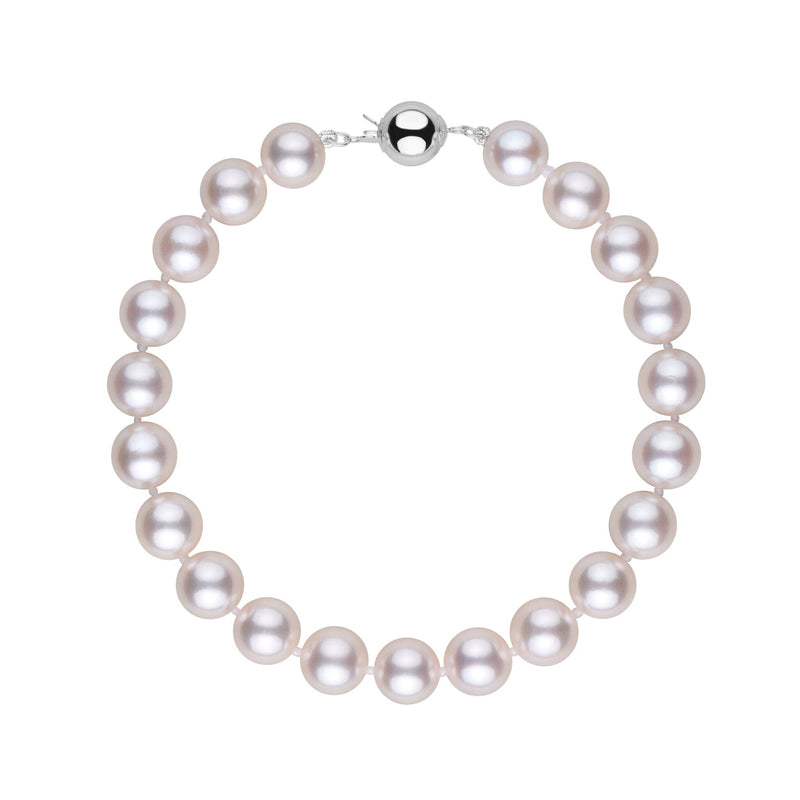
Akoya Pearl Bracelets
Perfectly matched pearls with bright luster, double-knotted on silk and finished with a solid 14 karat gold clasp.
SHOP BRACELETS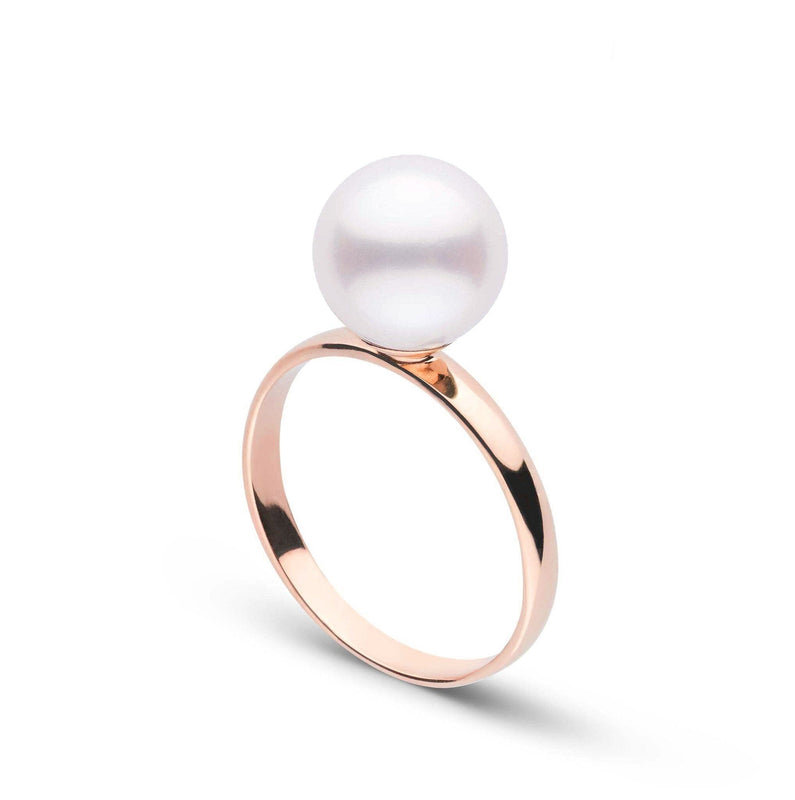
Akoya Pearl Rings
A single Japanese akoya pearl, hand-selected for round shape, flawless complexion, and sharp luster. Made to order.
SHOP RINGS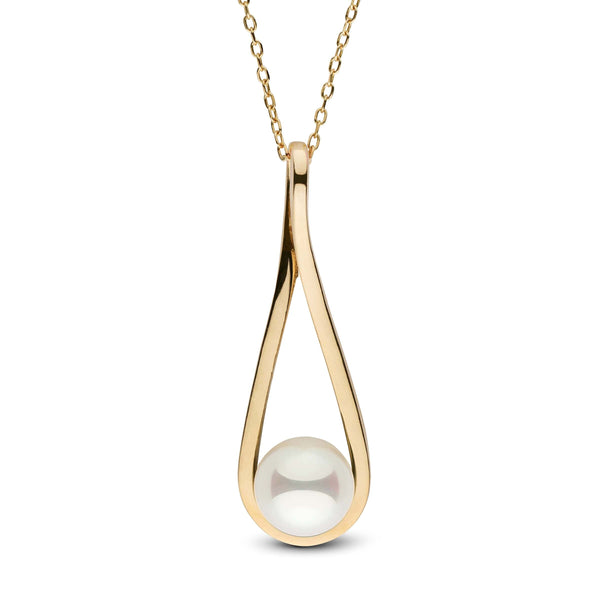
Akoya Pearl Pendants
A single akoya pearl set in one of our original designs, with only natural VS1 diamonds. Classic, refined, made to endure.
SHOP PENDANTS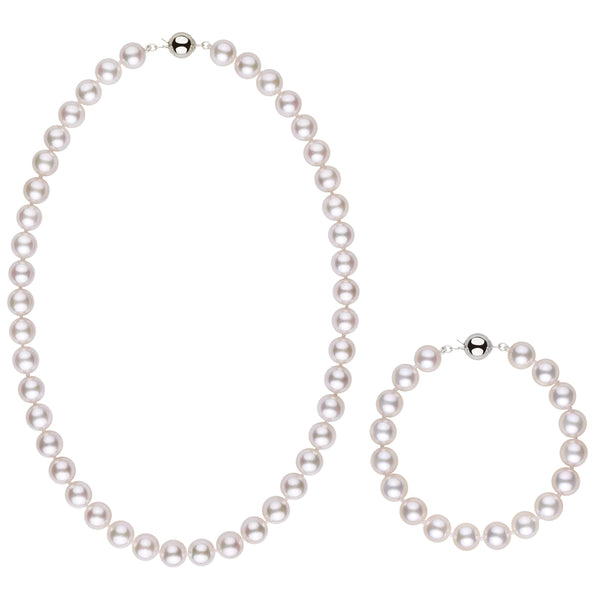
Akoya Pearl Sets
Hand-selected Japanese pearls in perfectly matched combinations, made to be worn alone or together.
SHOP SETS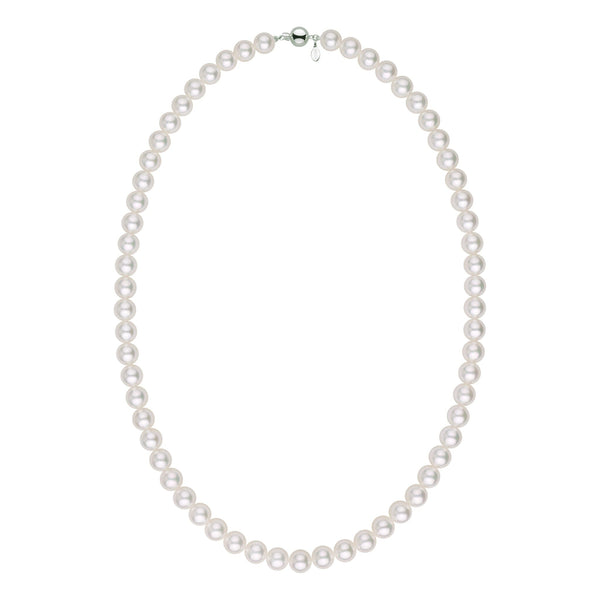
Hanadama Akoya Pearls
Certified by GIA and the Pearl Science Laboratory of Japan. We select only from the very top of the category.
SHOP HANADAMA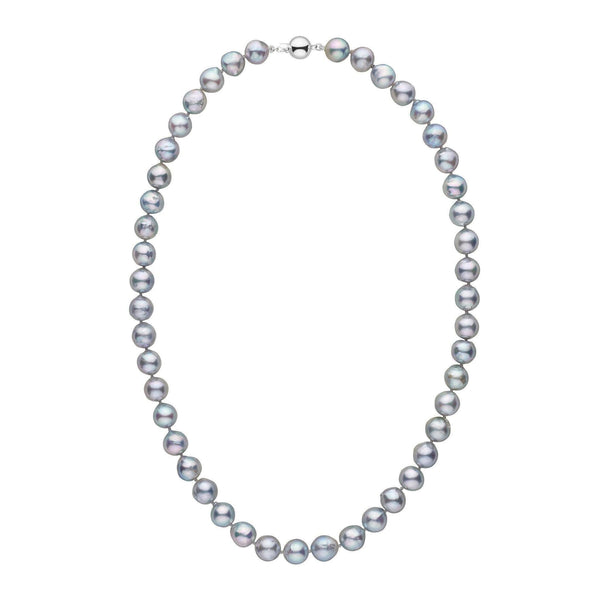
Baroque Akoya Pearls
Natural color baroque akoya with silvery-blue, gray, or golden overtones. Rare, organic beauty in every piece.
SHOP BAROQUESSelected by Hand. Chosen for You.
Every akoya strand we sell begins in Kobe, where we hand-select pearls directly from the Japanese suppliers we have worked with for decades. Each strand is graded to our own standards for luster, surface, and matching, then double-knotted on silk and finished with a solid 14 karat gold clasp in our Los Angeles studio.
SHOP ALL AKOYACommon Questions About Akoya Pearls
Akoya pearls are the classic pearl and the original cultured pearl. They have been the foundation of the pearl industry for more than a century. When most people imagine a white, round pearl, they are thinking of an akoya pearl.
Akoya pearls are prized for their luster, the shine created by the quality of light reflecting from the surface and from just beneath the nacre. Their look is unmistakable.
They are almost always white, although natural colors such as silver-blue, blue, and light gold also exist. Akoya pearls are never naturally black.
Production today is almost entirely in Japan, with smaller farms in China, Australia, and Vietnam. Pearl Paradise works exclusively with Japanese suppliers and imports all our akoya pearls from Kobe, Japan. We travel to Kobe two to three times each year to select pearls directly.
Unlike diamonds, akoya pearls have no internationally recognized grading system. The value of akoya pearls comes from nacre thickness, luster, and several other factors that are difficult to compare with simple letter grades. Because grading is subjective, the same strand could be called AA+ by one seller and AAA by another.
Many strands advertised as “AAA” or even “AAAA” online are actually short-cultured pearls with thin nacre and surface luster that will not last. That is why you may see “AAA akoya” strands on eBay for $100, while fine AAA akoya strands can cost thousands of dollars depending on size and quality.
At Pearl Paradise, we are one of only a handful of companies in the United States that directly import akoya pearls from Japan. Our founder Jeremy Shepherd has lived in Japan, and Hisano Shepherd, our Chief Creative Officer, was born and raised there. Both speak Japanese fluently, and together we maintain deep roots in Japan’s pearl community. We travel to Kobe several times a year to personally select pearls, using the full range of value factors that professional buyers rely on. This hands-on approach ensures that our grading represents genuine, long-lasting quality.
For a deeper explanation, see our article: The Truth About Pearl Grading.
Hanadama is a certification term used by the Pearl Science Laboratory in Japan and the Gemological Institute of America (GIA) in the United States. It indicates that a strand has met the minimum requirements for fine quality. That is important, but it does not mean all hanadama are the same.
Within the hanadama category, quality can vary widely. One strand may have unusually thick nacre, strong orient, and exceptional luster that places it among the rarest pearls produced, while another strand may only just meet the minimum requirements. Both can carry the same hanadama certificate, but one might be worth ten times the value of the other.
At Pearl Paradise, we select only the finest hanadama strands available. We could choose strands that cost far less and still qualify as hanadama, but our criteria are much stricter. The result is that the hanadama you see here are at the very top of the range, not just at the minimum threshold.
Yes. Akoya pearls are generally white but can have subtle overtone variations, such as bright white, soft pink, or creamy tones. We typically focus on white with a slight pink hue (our Natural White Hanadama strands are a silver-white), but we carry all available overtones, as well as rare natural colors like blue or even golden in very limited quantities.
If you prefer a specific overtone, simply mention it in the “special instructions” box at checkout. You can also request photos of the exact piece you’ll receive or schedule a private virtual appointment with one of our pearl experts to hand-select your strand.
Akoya pearls typically range from about 5.5 mm to 10 mm, with larger sizes being rarer and more valuable. A strand in the 6–6.5 mm range has a delicate, understated look, while 7–7.5 mm—the most popular size—offers a timeless balance of elegance and versatility. Pearls in the 8–8.5 mm range and above create a more dramatic, luxurious presence.
Length is just as important: a 16-inch choker or 18-inch princess length sits high on the neckline and pairs well with most outfits, while longer strands of 20 inches or more can be styled more casually or layered for impact. The best choice depends on your personal style, build, and how you plan to wear your pearls, but classic mid-sizes and mid-lengths tend to be the most versatile.
Yes. Every akoya strand and bracelet we sell is double-knotted on silk thread. This prevents pearls from rubbing against each other and ensures that if a strand were ever to break, only a single pearl would come loose instead of the entire necklace.
All of our akoya pearl clasps are made from solid 14 karat gold. Earring posts, pendant settings, and ring mountings are also solid 14 karat gold. We never use plated or base metals. For diamond accents, we only use natural diamonds of VS1 clarity and G color.
Yes. Every white akoya pearl on the market goes through a finishing process after harvest. This includes maeshori, a gentle warming and cleaning step, followed by bleaching to even out body color. With the exception of our natural white hanadama, pearls are also lightly pinked to enhance overtone. These processes are universal in Japan and have been part of standard pearl production for generations. Natural colors such as blue and gold are not processed in this way.
What Our Clients Have To Say
Prefer to Choose Your Pearls Together?
Book a complimentary virtual appointment and view strands live with our team. We'll walk you through luster, overtone, and matching, and help you find the one.


