


South Sea Pearls
Shop South Sea Pearl Jewelry
The world's rarest pearls, individually photographed in our Los Angeles studio.
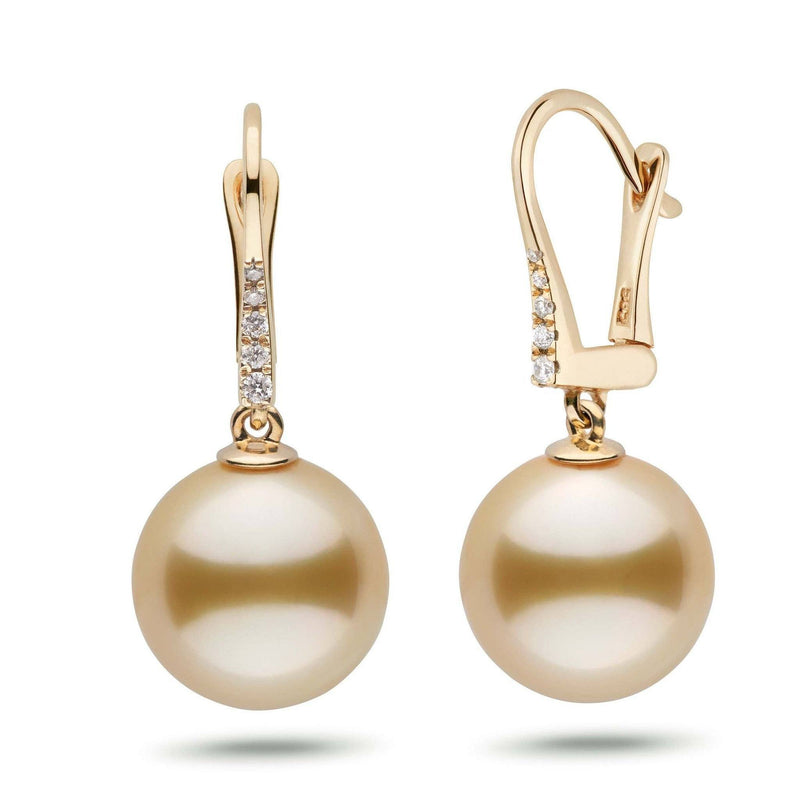
South Sea Pearl Earrings
Perfectly matched pairs, chosen for roundness, surface quality, and exceptional luster. Fine matches are rare, so every pair is distinctive.
SHOP EARRINGS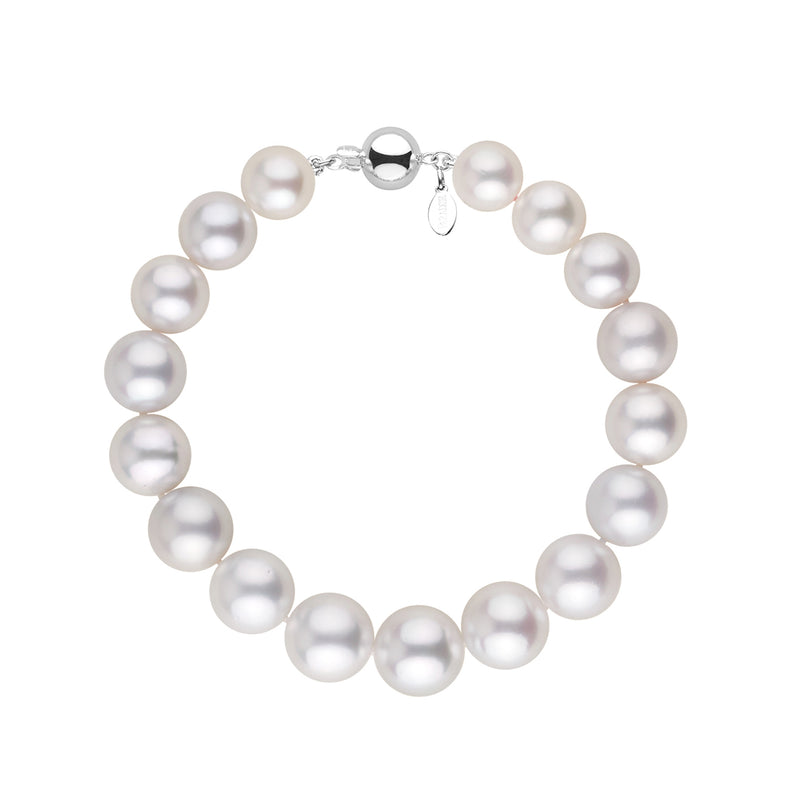
South Sea Pearl Bracelets
Each bracelet is one of a kind and individually photographed, hand-strung on silk and finished with a secure clasp.
SHOP BRACELETS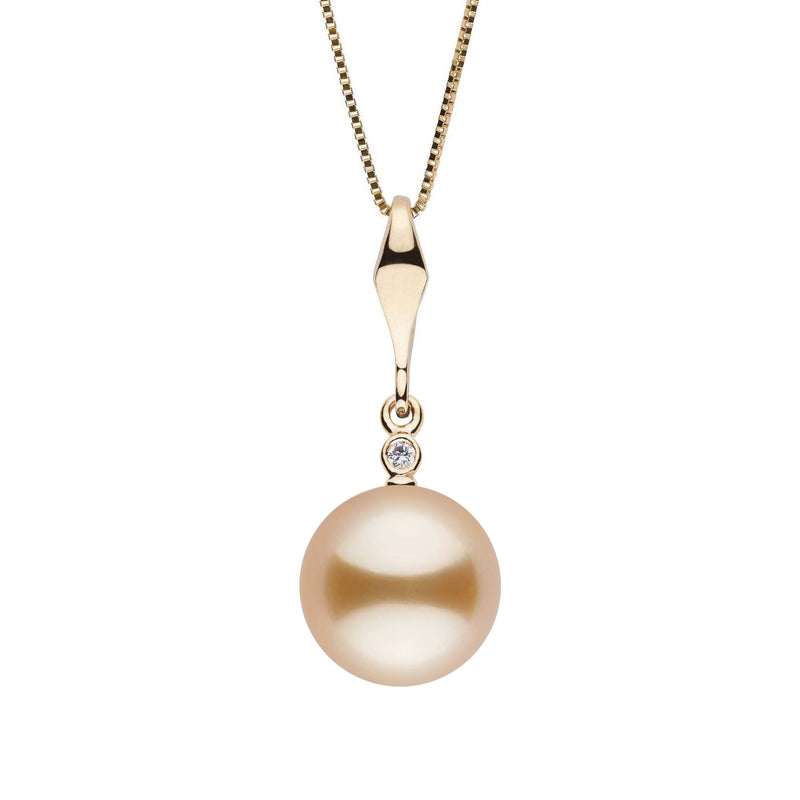
South Sea Pearl Pendants
Only perfect pearls, round, blemish-free, and luminous, set in solid 14 karat gold and accented with VS1-G quality diamonds.
SHOP PENDANTS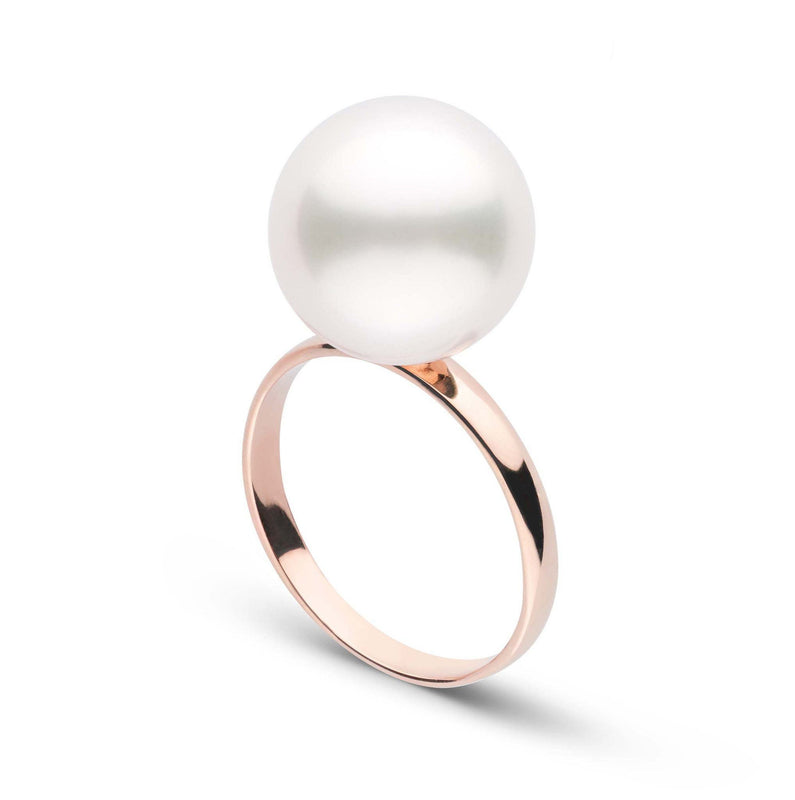
South Sea Pearl Rings
Round, flawless, radiant pearls set in solid 14 karat gold, in designs made to showcase their rarity and brilliance.
SHOP RINGSSelected by Hand. Chosen for You.
Every South Sea strand we sell is one of a kind and individually photographed, never stock images. The strand you see is the exact strand you'll receive — every pearl, every shade, every detail. Each is hand-selected for size, color, and luster, strung on silk, and finished with a solid gold clasp, so you can choose with complete confidence.
SHOP SOUTH SEA STRANDSCommon Questions About South Sea Pearls
South Sea pearls are among the rarest and most valuable cultured pearls in the world. They grow inside the Pinctada maxima oyster, found in the warm waters of Australia, Indonesia, and the Philippines. Known for their impressive size—often 9 to over 20 millimeters—they naturally occur in shades of white, silver, and rich gold. Their thick nacre and soft, satiny luster set them apart, making South Sea pearls the centerpiece of some of the finest jewelry in the world.
South Sea pearls are often described with grades like AA+ or AAA, but these terms are only general references. They primarily relate to surface quality, not the full range of attributes that determine value. The truth is, grading is highly subjective. A strand described as AAA with average luster might be priced at $25,000, while another AAA strand with exceptional pink-white luster could be worth over $1 million. Both fall within the same grade, yet their beauty and value are worlds apart.
This is why every strand must be evaluated on its own merits. At Pearl Paradise, we photograph and describe each piece individually so you can judge exactly what you are getting. Letter grades provide a baseline, but they can’t capture the extraordinary variation that makes each South Sea strand unique.
For a deeper explanation, see our article: The Truth About Pearl Grading.
Every South Sea strand and bracelet is one-of-a-kind and individually photographed, so the piece you see is the exact one you’ll receive. We do not use stock images.
Earrings, pendants, and rings are shown with representative photos, since we match and set each pearl to order. If you’d like to see the exact pearl or request a specific overtone, you can leave a note at checkout, email us for photos, or schedule a virtual appointment to choose your pearl in real time.
South Sea pearls occur naturally in a wide range of shades, from classic white and silver to deep, rich gold. Within these categories are subtle variations such as white-rose, silver-rose, ivory, champagne, and the rare “24K” deep gold. The colors are determined by the type of Pinctada maxima oyster—silver-lipped oysters produce whites and silvers, while gold-lipped oysters produce the full spectrum of yellows to golden tones.
Color plays a major role in value. Two strands of the same size and shape can differ dramatically in price depending on shade and overtone. For example, a fine white-pink strand may be nearly twice the value of an equivalent white-silver, and a deep golden strand may be worth several times more than a light champagne. This is why each South Sea strand must be evaluated individually.
South Sea pearls are cultivated in the Pinctada maxima oyster, which grows in the warm, pristine waters of northern Australia, Indonesia, and the Philippines. Australia is the leading source of white and silver pearls, while Indonesia produces both white and golden varieties.
The Philippines, particularly the waters around Palawan, is renowned for its rich golden pearls, including some of the deepest and most valuable colors in the world. Together, these regions make up the heart of South Sea pearl production and give the gems their remarkable range of natural colors.
We use only solid 14 karat and 18 karat gold for all clasps and findings. Many South Sea strands are shown with a specific clasp already selected, often including diamond-set clasps chosen to complement the size, color, and rarity of the pearls. If you prefer a different clasp style, gold color, or design, we can always accommodate. Carat weights and clasp details are noted in each product description.
For strands where a clasp is selected at the time of purchase, the piece is finished with the clasp you choose and arrives ready to wear. If you have a specific preference or would like guidance, we are happy to help you select the option that best suits the necklace.
What Our Clients Have To Say
Prefer to Choose Your Pearls Together?
Book a complimentary virtual appointment and view strands live with our team. We'll walk you through size, color, and luster, and help you find the one.


