

Guaymas, Mexico
Sea of Cortez pearls
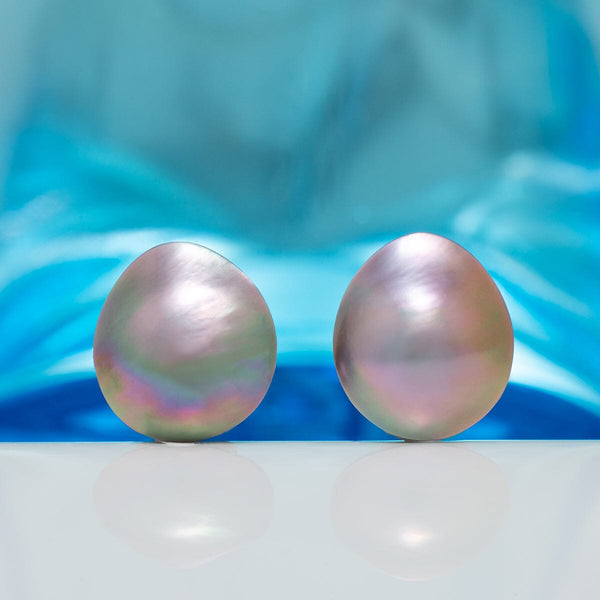
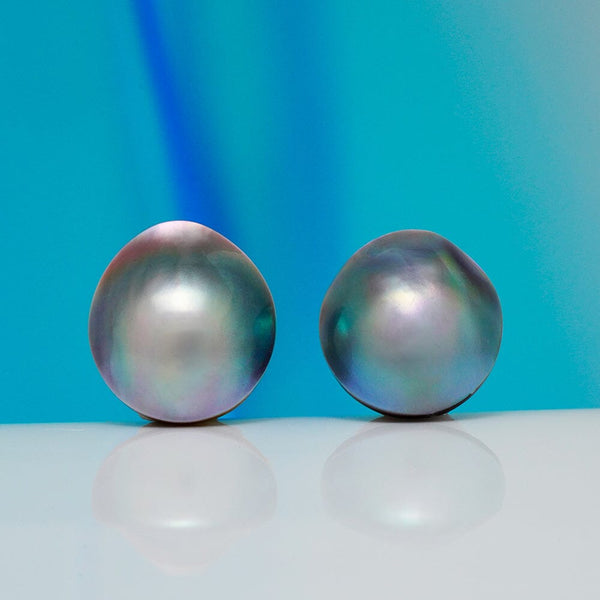
Among the rarest cultured pearls in the world. Grown in the rainbow-lipped oyster off Guaymas, Mexico, with natural color and iridescence that belong to this oyster alone.
A year's harvest is counted in a few thousand pearls, and every pearl you see here is one of a kind.
~ Jeremy Shepherd, Founder and CEO

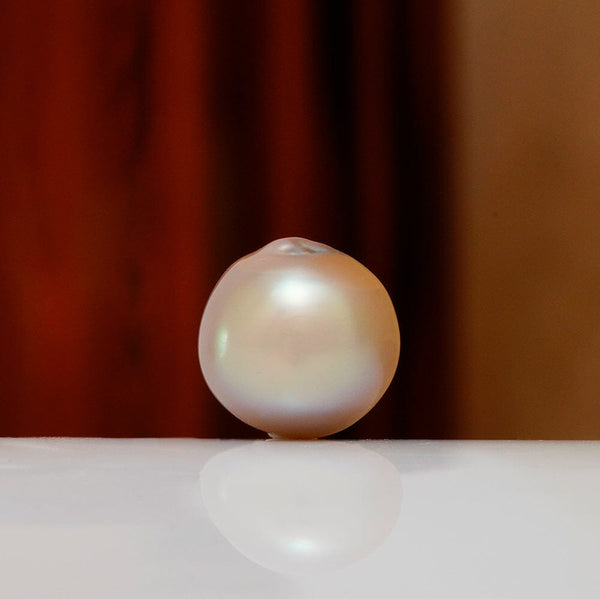
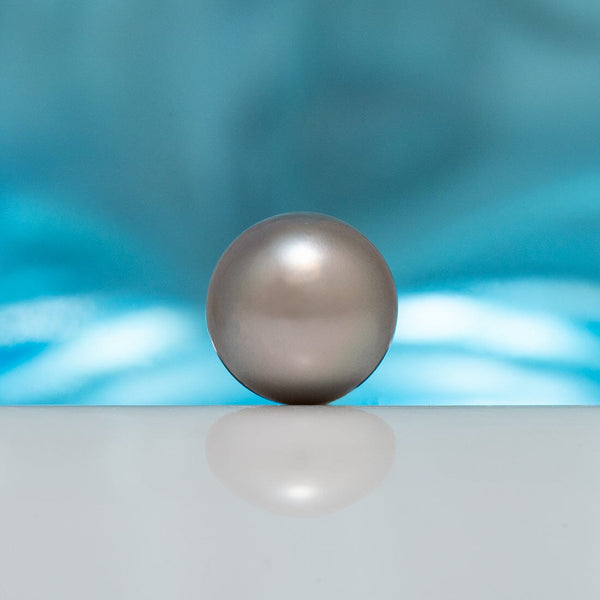
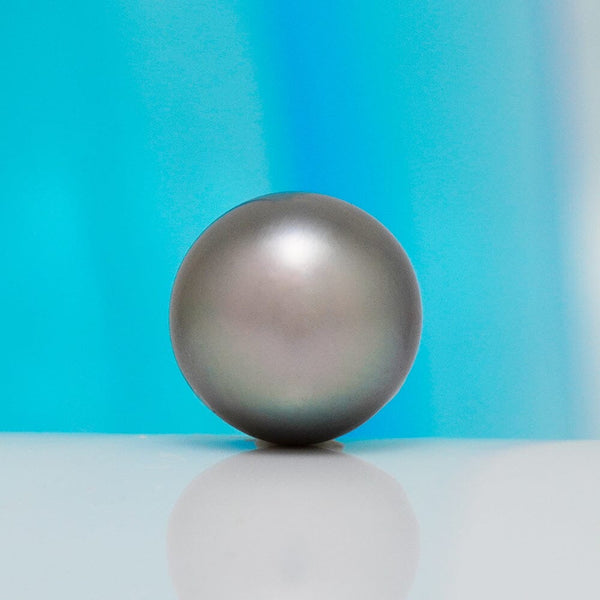
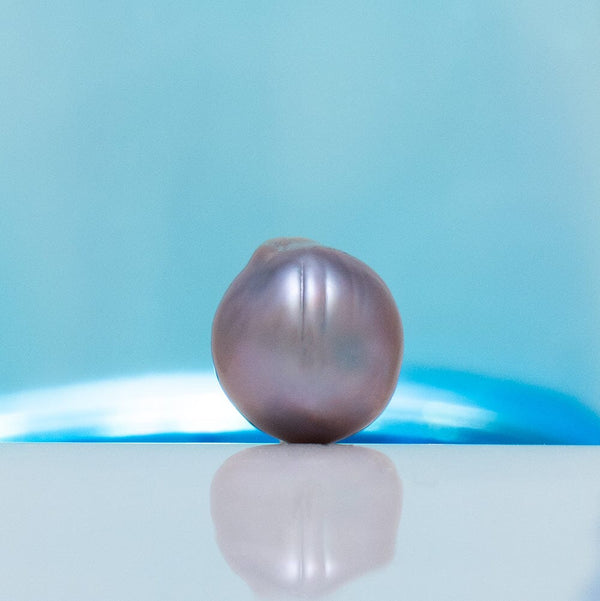
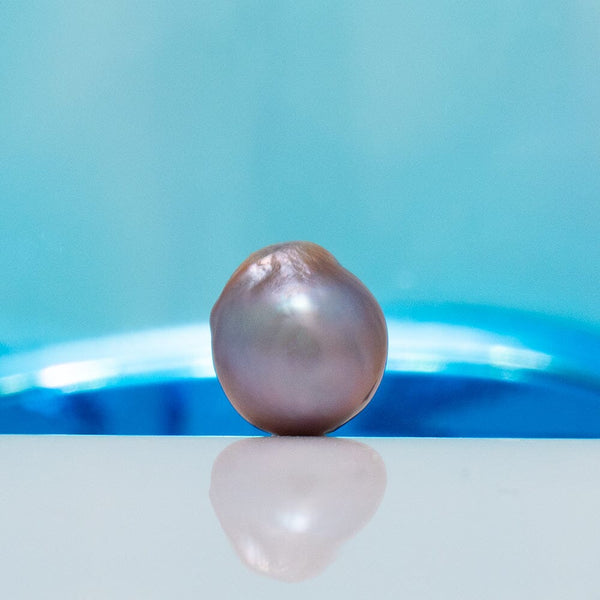
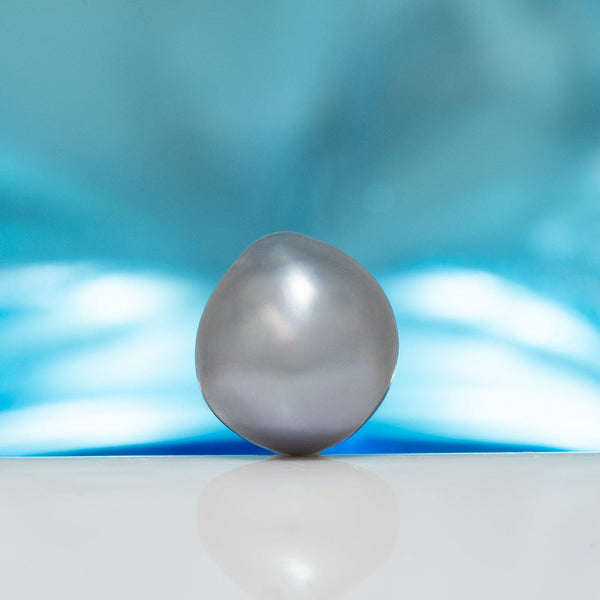
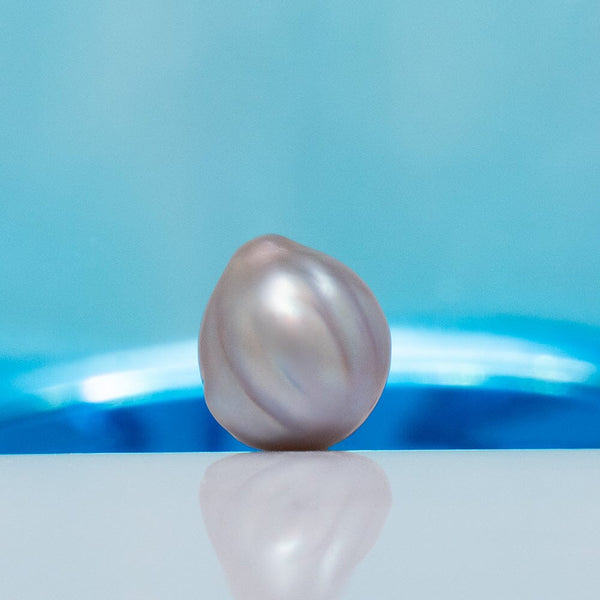
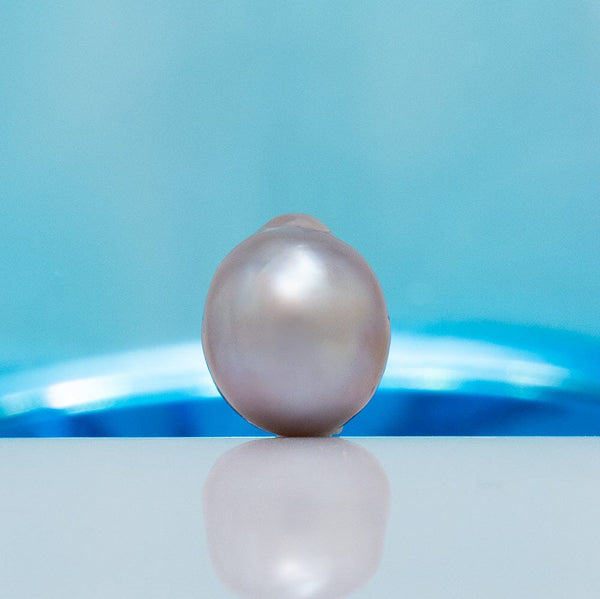
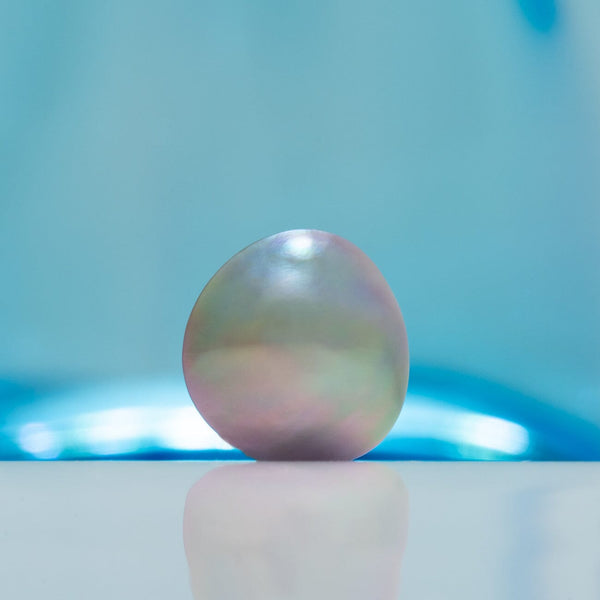
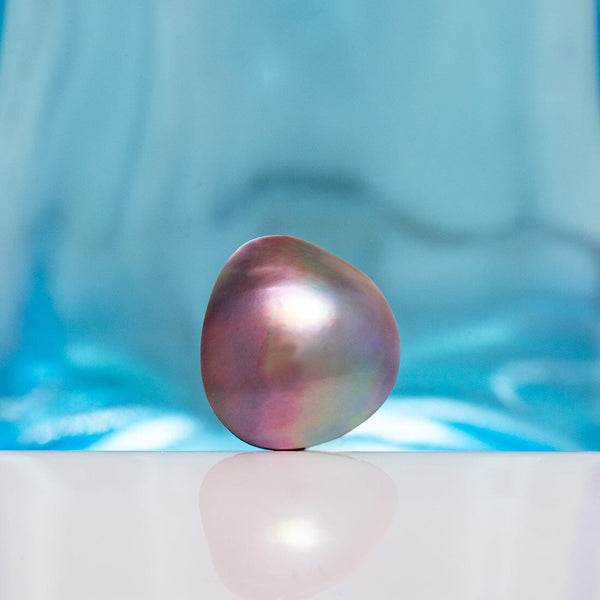
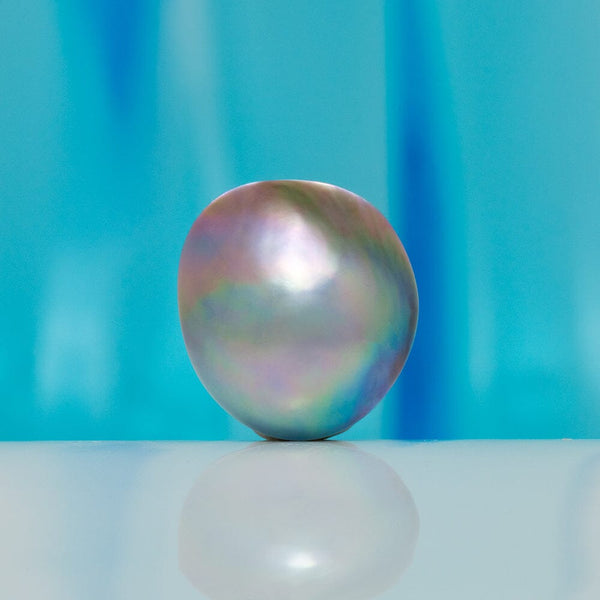

A pearl type of its own
Not Tahitian. A different oyster entirely.
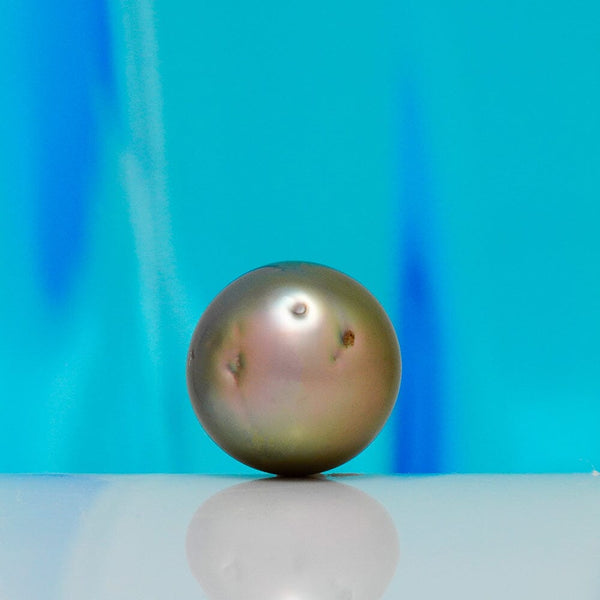
Tahitian and Fijian pearls both come from the black-lipped oyster. Sea of Cortez pearls grow in the rainbow-lipped Pteria sterna, a smaller species native to the Gulf of California, and they look like nothing else in the dark pearl family.
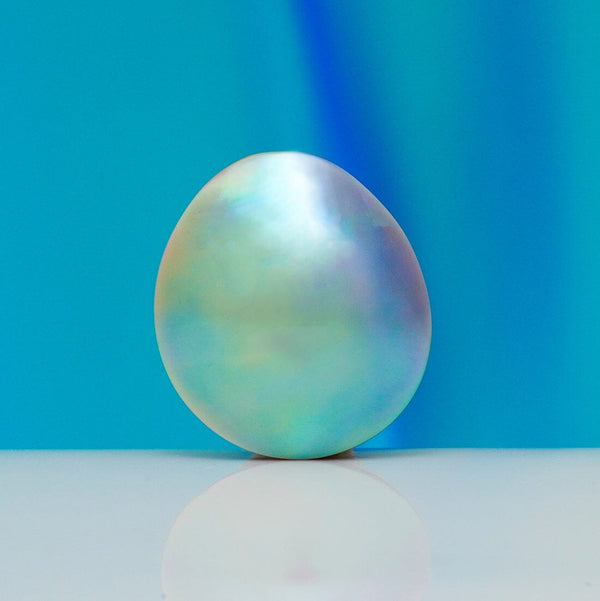
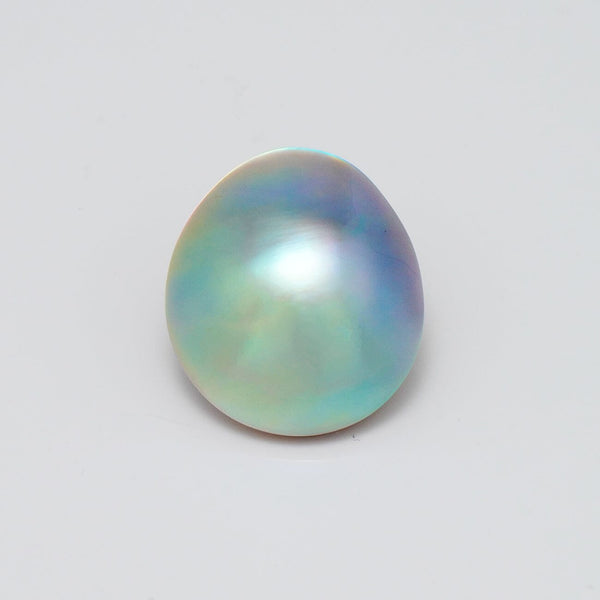
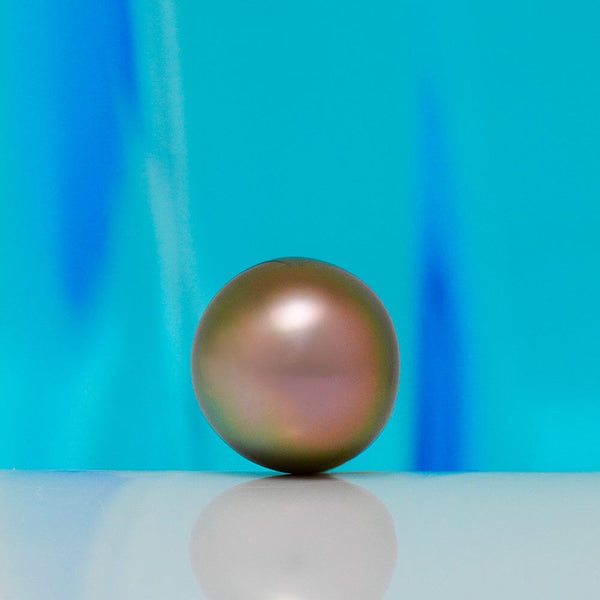
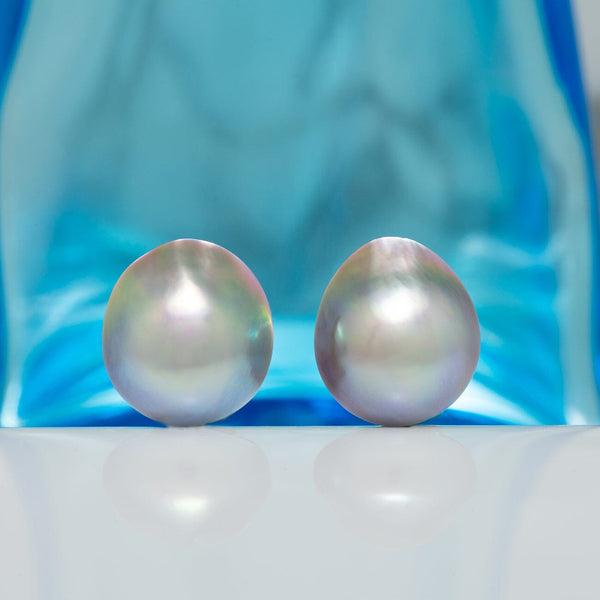
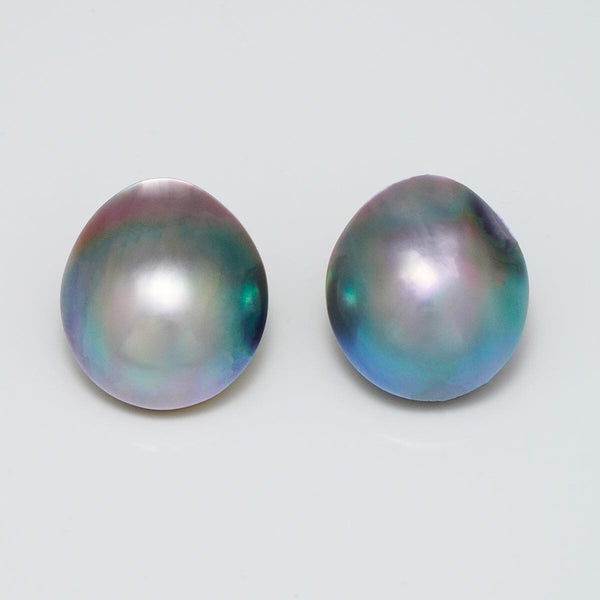
The nacre is thick and the orient is strong. Dark bodycolors carry overtones of green, purple, blue, bronze, copper and lavender, and the color shifts as the pearl turns.
What makes one rare
A few thousand pearls a year
French Polynesia harvests Tahitian pearls by the million. A year's harvest in the Sea of Cortez is a few thousand. Within that small number, shape and matching are what separate one pearl from another.
Baroque
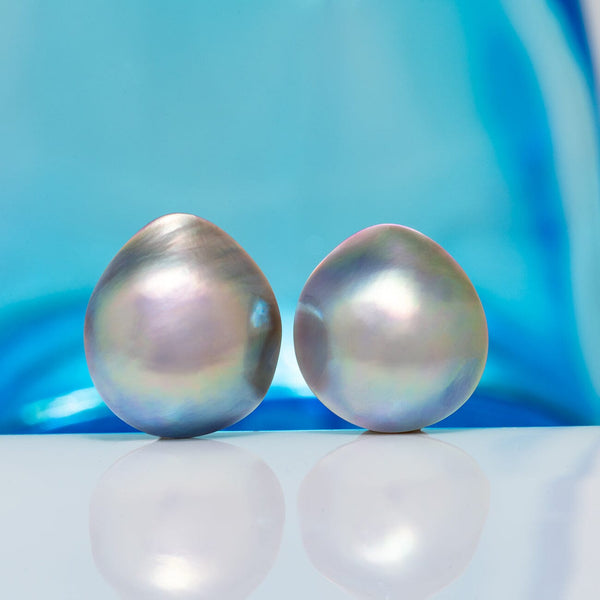
Much of every harvest. Thick nacre in shapes no two pearls share.
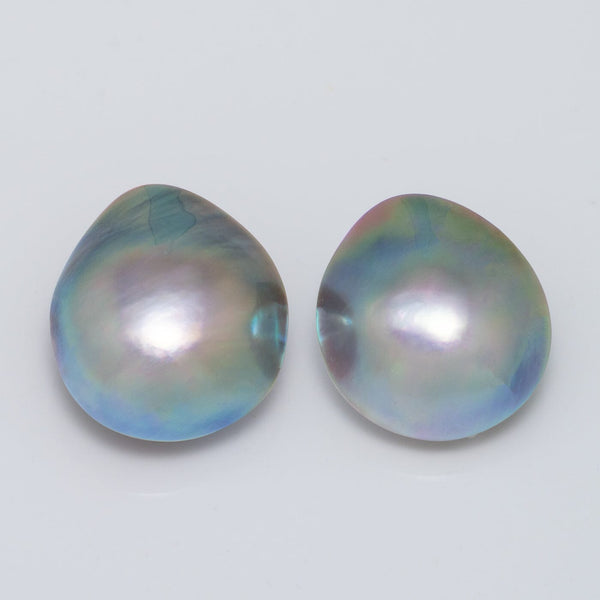
Mabé
Grown against the inside of the shell. Known for strong iridescence and intense blues, greens, purples and bronzes.
Near-round and round
Exceptionally rare. From a harvest this small, very few pearls come out round.
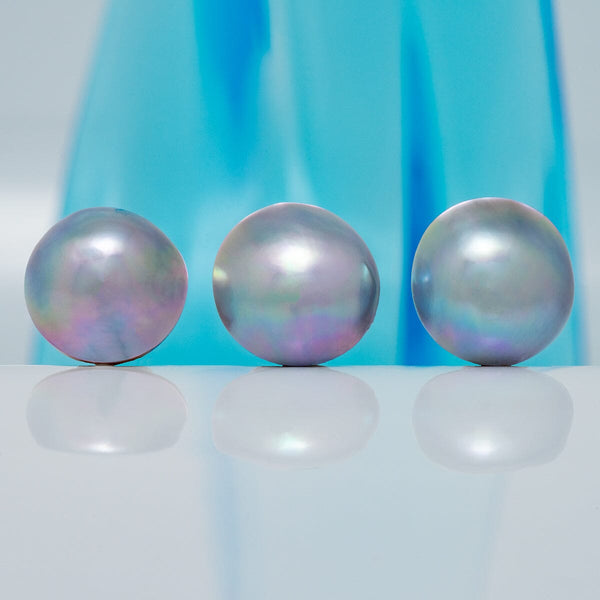
Matched pairs and sets
Color is so individual from one pearl to the next that a true pair, or a set of three, is hard to assemble.
Reading Sea of Cortez color
Bodycolor is the pearl. Overtone and orient are what move across it.
Every one of these colors is the pearl's own. Nothing is dyed or color treated, and no two pearls carry the same combination, which is why we photograph each one individually and will put any of them on camera for you.
Bodycolor
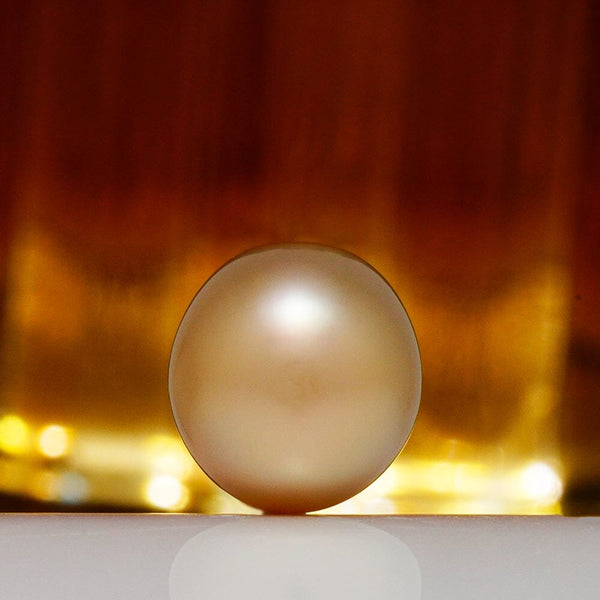
White, silver-gray, bronze, green, purple, blue, copper, brown and black all occur. The range is wider than most people expect from a dark pearl.
Overtone and orient
Green, purple, blue, bronze, copper and lavender move across the surface, often with the rainbow iridescence the oyster is named for.
Mabé color
Mabé pearls can show intense blues, greens, purples and bronzes over thick nacre, with strong iridescence.
The Gulf of California
Four centuries of pearls, and a slow return
The natural pearl beds of the Gulf of California were fished for more than four hundred years. In 1939 Mexico banned the fishery for good to protect what was left of the wild oysters.
Pearl culture began here in the 1990s as a university research program. It is still slow work. Each oyster grows for about two years before nucleation and about two more before harvest.


Loose, or made into something
We'll set it for you
Each listing is a single loose pearl unless the title says pair or trifecta. Keep it loose, or have us set it into the setting of your choice.
We drill the whole pearls for a pendant or a ring. Mabé pearls are never drilled. They're set as they are, and a matched pair makes earrings. Tell us what you have in mind and we'll go over the options with you.
Before you buy
Are the colors natural?
Yes, entirely. The greens, purples, blues, bronzes and coppers all occur naturally in the pearl. Nothing is dyed, irradiated or color treated, and we guarantee natural color on every Sea of Cortez pearl we sell.
Are Sea of Cortez pearls a kind of Tahitian pearl?
No. Tahitian pearls come from the black-lipped Pinctada margaritifera. Sea of Cortez pearls come from the rainbow-lipped Pteria sterna, a different species, and they are a pearl type of their own.
Is each listing a single pearl?
Yes, unless the title says otherwise. Each listing is one loose pearl. A listing titled pair is two matched pearls, and a trifecta is a set of three.
Can you set a pearl for me?
Yes. We'd be happy to set any of these pearls into the setting of your choice. Whole pearls can be drilled. Mabé pearls are set without drilling. Email us at support@pearlparadise.com and we'll go over the options with you.
Can I see the exact pearl first?
Yes, and with colors like these we'd rather you did. Ask and we'll send more photos or a short video of the actual pearl, or put it on camera for you on a private virtual appointment. No charge and no obligation to buy.
Is every pearl one of a kind?
Yes. Each pearl here is an individual, and no two are alike. Where a listing offers a choice of A, B or C, those are separate pearls at the same price, each photographed on its own. When a pearl sells, it is gone.
Still deciding?
Sea of Cortez color is hard to buy from a photograph. The overtones shift with every turn of the pearl, and a still image flattens them. Book a private virtual appointment and we'll show you the pearls you're considering on camera, in the light.


