

Chinese freshwater
Freshwater pearls
The widest range of color and shape of any pearl, and the one category where round is the exception rather than the rule.
We have specialized in round freshwater since the late 1990s. Almost everything grown is baroque or off-round, so the strands we carry are selected out of very large lots by hand, a few at a time.
~ Jeremy Shepherd, Founder and CEO

Shop freshwater
Every strand and bracelet is double-knotted on silk and finished with a solid gold clasp in our Los Angeles studio.


9.5-10.5 mm AAA Lavender Freshwater Pearl Necklace

9.5-10.5 mm Lavender Freshadama Freshwater Pearl Necklace
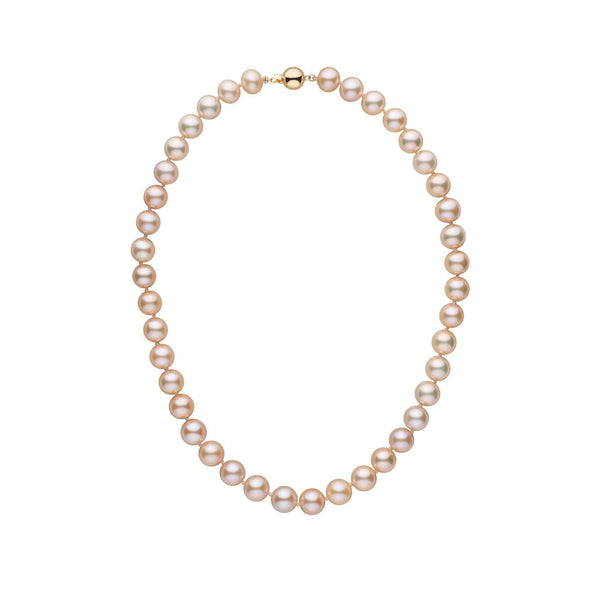
9.5-10.5 mm Pink to Peach Freshadama Freshwater Pearl Necklace
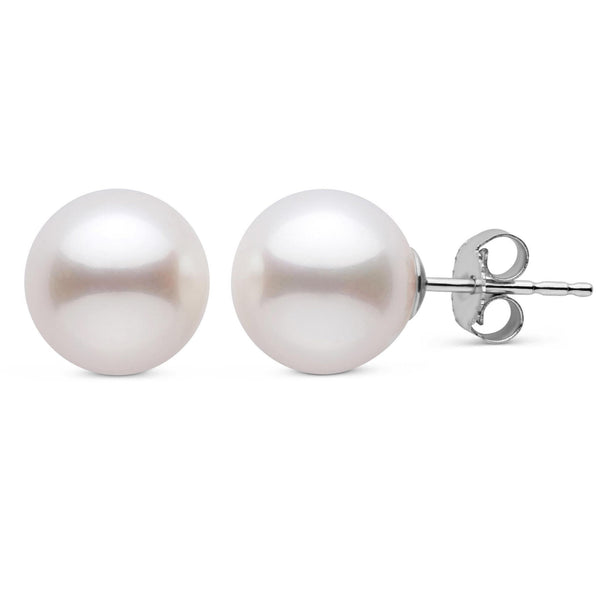
9.0-10.0 mm White Freshadama Freshwater Pearl Stud Earrings
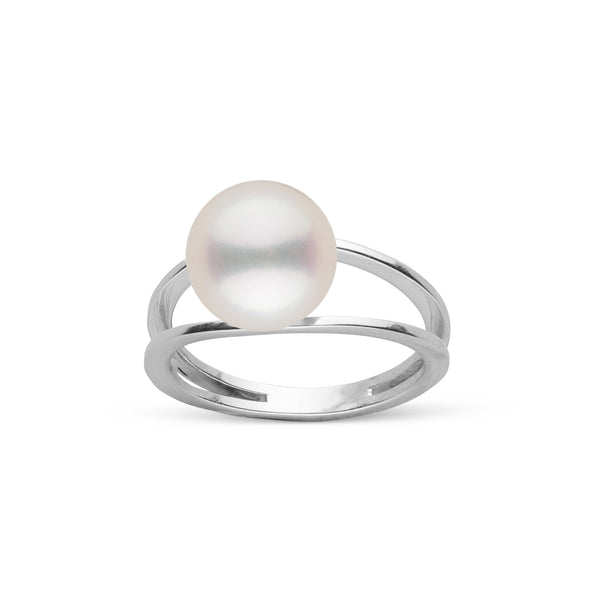
Bridge Collection 9.0-10.0 mm Freshadama Pearl Ring
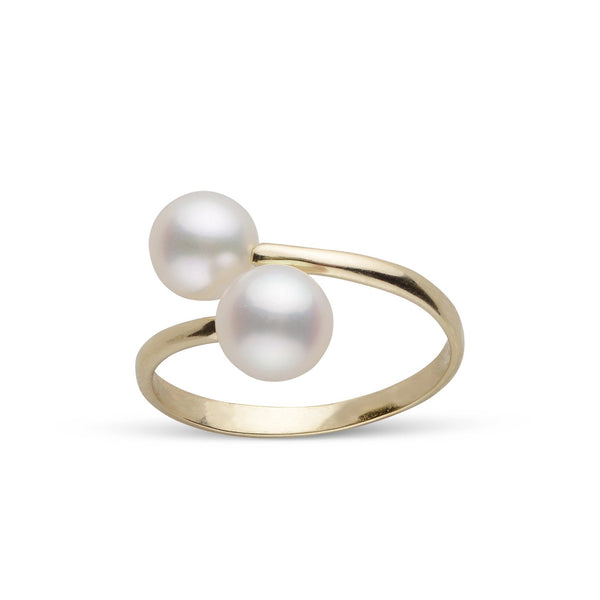
Bypass Collection 6.5-7.0 mm Freshadama Pearl Ring
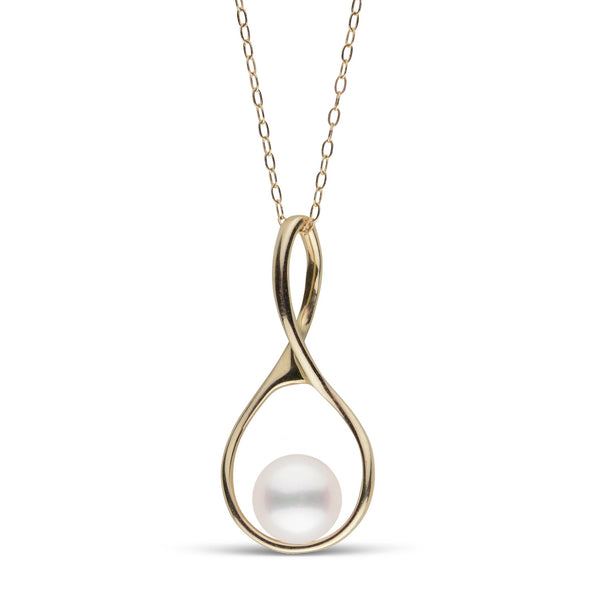
Wishbone Collection 7.5-8.0 mm Freshadama Pearl Pendant
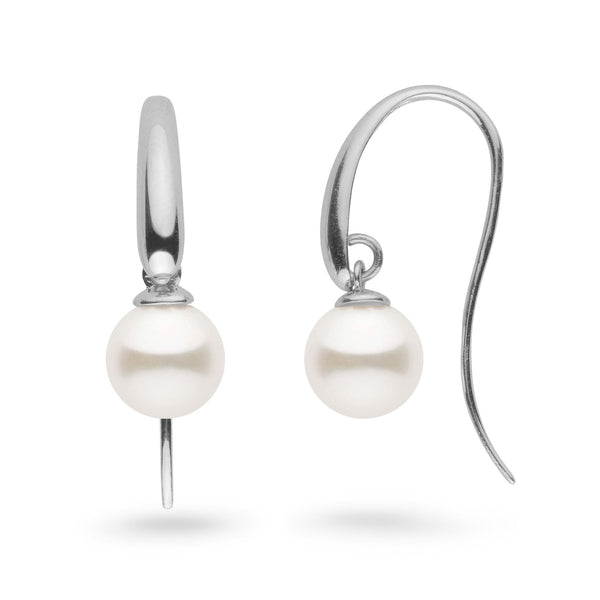
Cascade Collection 7.5-8.0 mm Freshadama Pearl Earrings
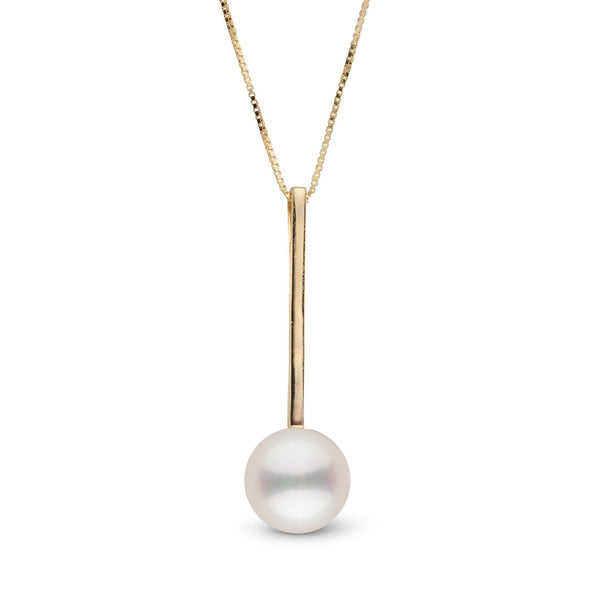
Bar Collection 7.5-8.0 mm Freshadama Pearl Pendant
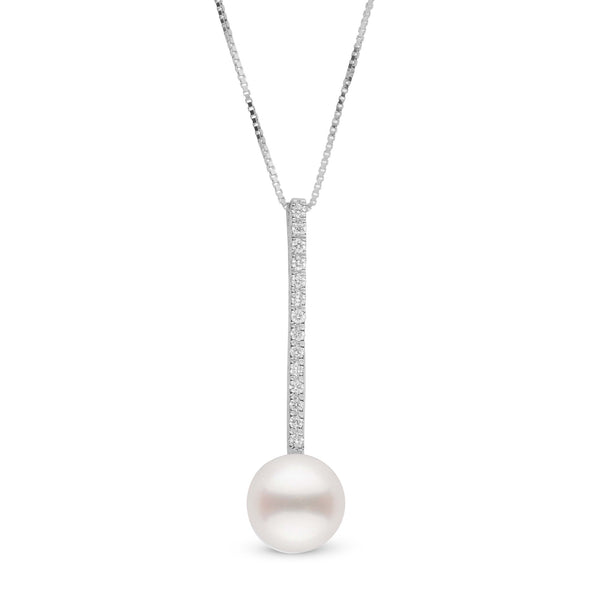
Diamond Bar Collection 7.5-8.0 mm Freshadama Pearl Pendant
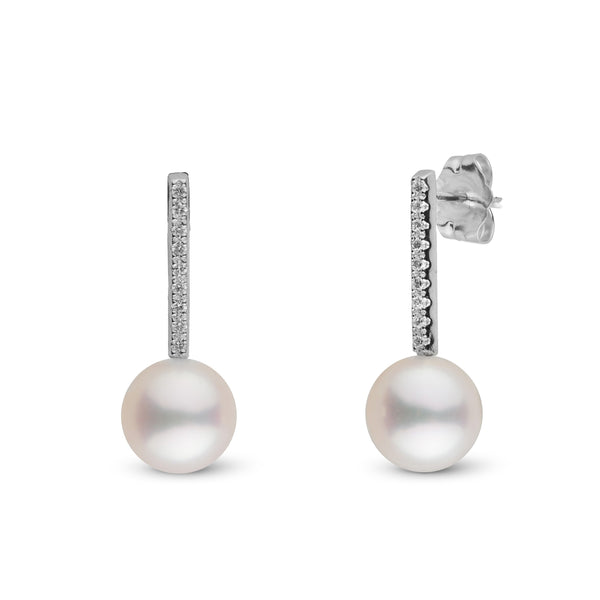
Diamond Bar Collection 7.5-8.0 mm Freshadama Pearl Earrings
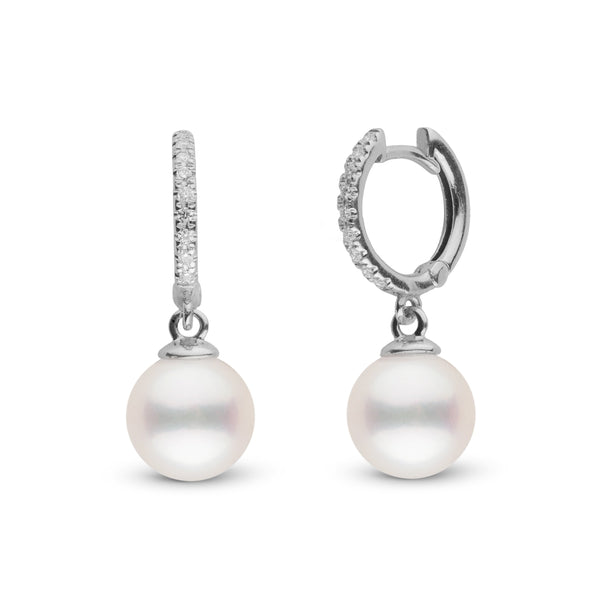
Diamond Small Hoop Collection 7.5-8.0 mm Freshadama Pearl Earrings
What you see is what ships
Selected by hand, chosen for you
Freshwater is sold by the thousand-strand lot, which is why so much of what reaches the market is whatever came out of the bag. We buy the other way around. We select every strand ourselves against our own standards for roundness, luster and matching, then double-knot it on silk and finish it with a solid gold clasp in our Los Angeles studio.

Why it matters who you buy from
Bought in Zhuji
Freshwater is the only pearl produced at a scale where quality and price have almost come apart. It is harvested by the ton, most of it baroque and off-round, and the letters on the label stopped meaning anything a long time ago. A strand sold online as AAA for under a hundred dollars and a strand we would call AAA are not the same object.
There is no grading body to appeal to, so the only way to buy this honestly is to stand in the room. We have been going to Zhuji and Shanxiahu since the late 1990s and we select the strands we carry ourselves.

The thing almost nobody explains
Where the round ones are
Freshwater does not get rounder in a straight line as it gets bigger. Some sizes throw round pearls far more often than others, and the three bands below behave quite differently. You do not need to know why in order to shop. You do want to know where the round ones sit.
3 to 7 mm
The small end, and lately the cleanest work in the category. Tight surfaces and sharp luster at sizes that used to be an afterthought. Worth looking at even if you came in wanting something bigger.
7 to 11 mm
The classic range and the one most people buy. 7.5-8.0 mm outsells every other size we stock. Round is the exception here rather than the rule, which is what our grading is for.
11 mm and up
The large ones, usually sold as Edison. Bronze, copper and deep purple that simply do not turn up at smaller sizes. A large round pearl without South Sea money.
Freshadama
Our top grade, and it can sit anywhere on this list. Round, clean surface, sharp luster, and less than 0.01% of a harvest gets there. It describes how the pearl looks, not how big it is.
Reading freshwater color
The soft colors are real. The loud ones usually are not.

Freshwater is the most heavily dyed pearl in the market, and it is dyed because it takes color so well. The tell is saturation. A natural freshwater pearl sits in a narrow band of pale warm and cool tones. Black, chocolate, bright blue and vivid green are not part of that band. Everything we sell as natural color is the mollusk's own.
White and near-white
The largest share of production and the reason freshwater became the everyday pearl. White pearls are cleaned and polished after harvest, which is routine across the whole pearl industry and is not a color treatment.
Pink, peach and lavender
Natural body color, and the thing freshwater does that no other pearl does. Tone varies pearl to pearl, which is exactly why matching a full strand is the expensive part.
The rare darks
Bronze, copper, deep purple and green do occur naturally, almost always on the beaded side, and almost always in small quantities. These are the strands worth asking about before they sell.
Before you buy
Why is one AAA strand $80 and another $800?
Because no organization defines what those letters mean for pearls. AAA means whatever the seller wants it to mean, and most of what is sold under it is off-round potato-shaped pearl with average luster. What we call AAA is near-round to round with the luster to match. The gap is real and it is roughly tenfold. This is the single most useful thing to understand before buying freshwater anywhere.
What is a Freshadama pearl?
Our own designation for the top of what we can find, and it is a quality bar rather than anything to do with how the pearl was grown. Freshadama are drawn from loose-grade pearls, the ones set aside to be sold one at a time for rings and earrings, because that is where the round ones end up. Round, clean surface, sharp luster. Less than 0.01% of a harvest clears that bar, and nothing carries the name unless it does.
What are Edison pearls?
Freshwater pearls grown around a shell bead rather than from a graft of mantle tissue. The name started with the very large ones and has since spread to cover the small beaded rounds too, so treat it as a way of growing a pearl rather than a size. Ming and a handful of other names describe the same thing. What it buys you at the top end is size and colors like bronze, copper and deep purple that do not appear elsewhere in freshwater.
Does it matter whether a pearl is bead-nucleated?
Less than people assume. The worry is usually nacre thickness, and on freshwater it does not really apply. The beads used in the small pearls are tiny, often around 3 mm inside a finished 7 mm pearl, so most of what you are holding is nacre either way. Buy the pearl you like the look of. The method is stated on every product page, and our freshwater guide goes into it properly.
What size do freshwater pearls come in?
From about 3 mm to past 15 mm. The middle of that range, roughly 7 to 11 mm, is the classic freshwater pearl, and 7.5-8.0 mm is the size most people choose. Larger and smaller are both available, and the smallest sizes have improved a great deal in the last few years.
Are your strands and bracelets knotted?
Every one, double-knotted on silk. Knots keep the pearls from rubbing against each other, and if a strand is ever broken you lose one pearl rather than all of them.
What clasps and findings do you use?
Solid gold throughout, 14K and 18K. Clasps, earring posts, pendant settings and ring mountings. Never plated, never base metal. Where there are diamonds they are natural, VS1 clarity and G color.
A few reviews from freshwater customers
I've bought several Pearl Paradise pieces now, and I can say that if you can't afford Akoyas, Freshadamas are the way to go. They are noticeably higher quality than “AAA” freshwater. I kept these beautiful Freshadama earrings, but sent back a freshwater AAA bracelet. It's worth paying extra for Freshadama.
LBJMy 6.5 to 7mm lavender freshadamas are my new daily go to earrings. The luster is out of this world! They do appear more silvery than lavender, but none the less they are beautiful. I love that the posts are long enough and that the backing fits secure. They are so comfortable, I forget I am wearing them.
Christine J.I was pleasantly surprised to find out how versatile it can be, mainly due to the well-matched pastel colors of the pearls and the length of the necklace. The luster and the pastel colors of the pearls make it a go-to piece for many occasions from work to holiday parties and beyond. I even bought a matching bracelet.
Kristina T.Still deciding?
Freshwater is the category where photographs help least, because the whole question is how round and how lustrous, and a lit product shot flatters everything. Our specialists will show you strands live on camera. Most appointments run about twenty minutes.


