

Natural White Hanadama Pearl Collection
Nearly every akoya sold anywhere is pinked. It is a separate color step after harvest that pushes the pearl toward a pinkish rose, and it is so routine that almost nobody mentions it. These strands were left out of it. What you are looking at is a cooler, cleaner white, and each one carries a numbered Pearl Science Laboratory report stating that no color treatment was found.
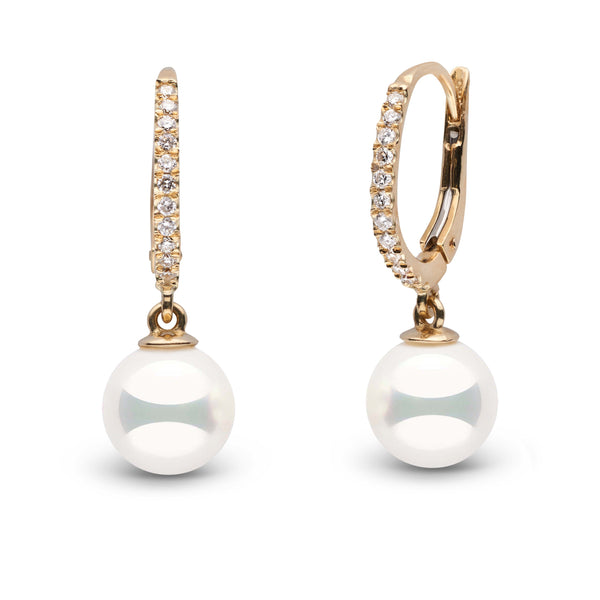
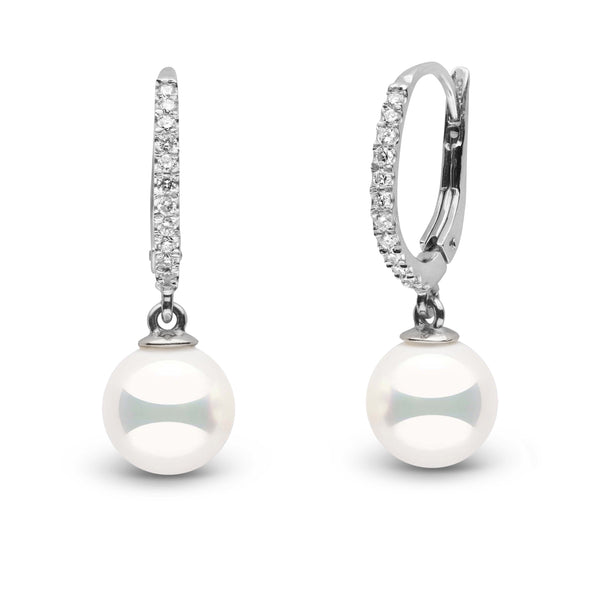
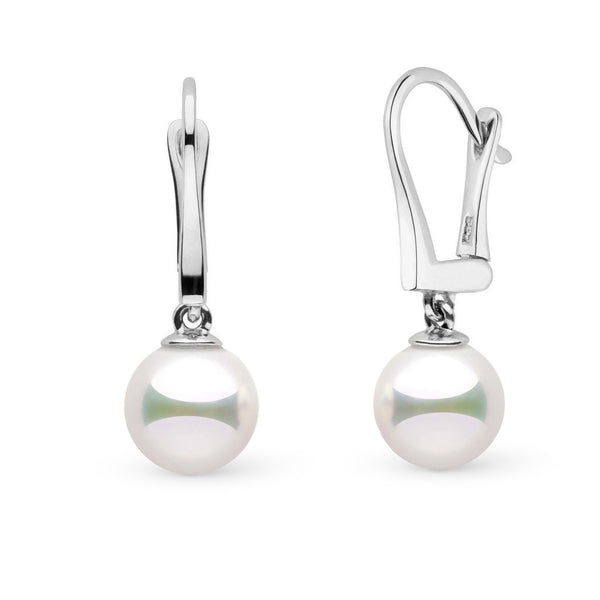
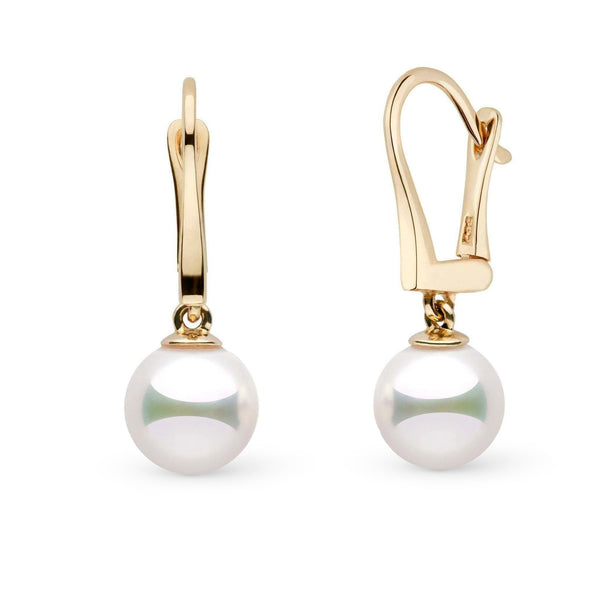
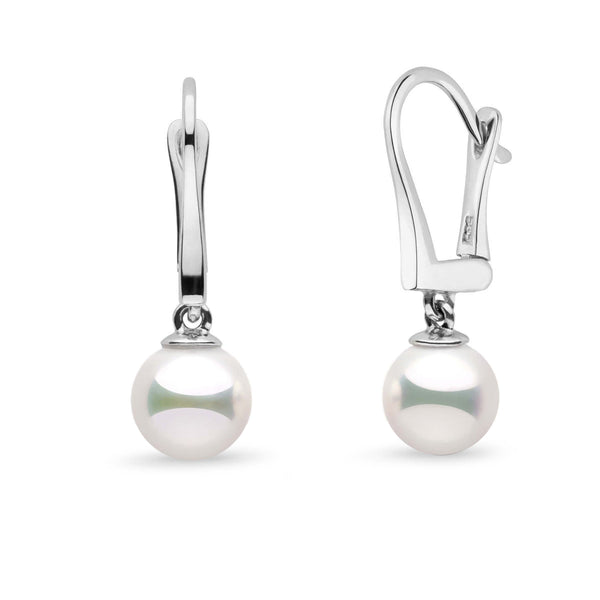
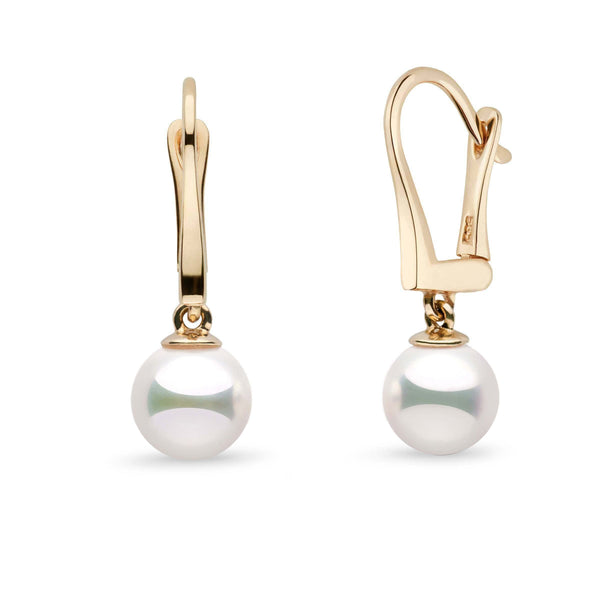
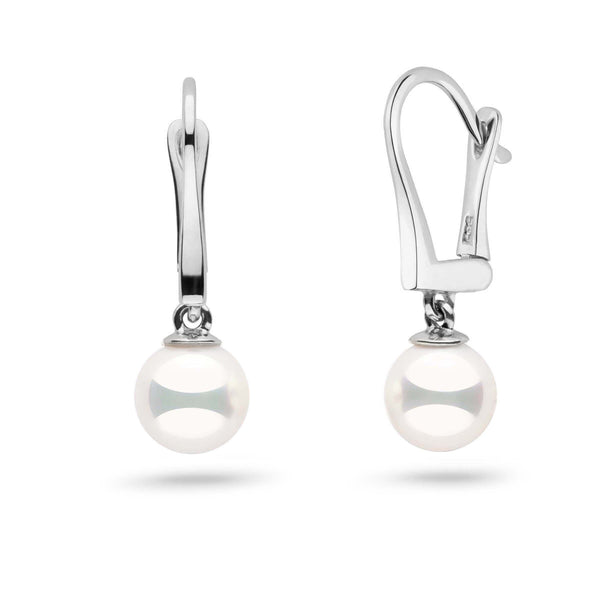
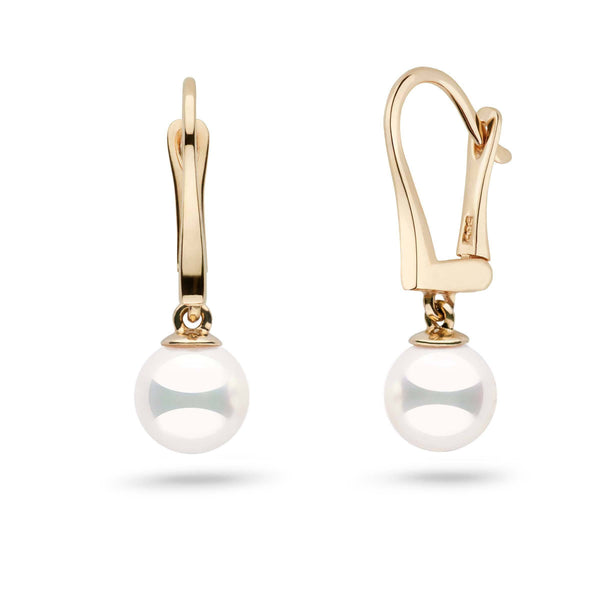
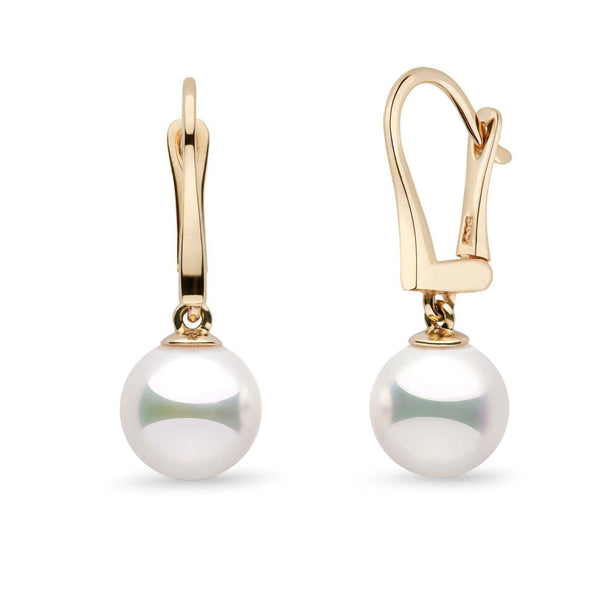
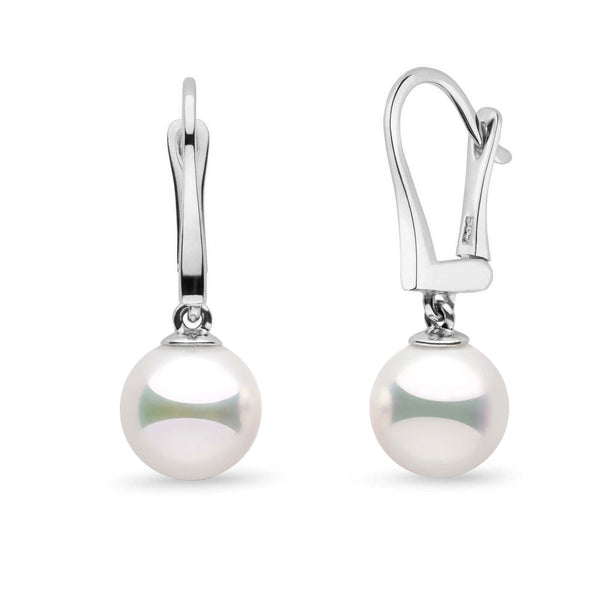
Natural white, and what that actually means
One step left out of an otherwise ordinary process, and a different color at the end of it.
What pinking is
A color step applied to akoya after harvest that pushes the body color toward a pinkish rose. It is standard practice across the industry and it is not a defect or a secret. It is simply how the familiar look is usually arrived at.
What you get instead
A cooler white. Pinking aims at rose, and these were never taken in that direction, so they read cleaner and less warm. Which of the two you prefer is a matter of taste rather than quality.
What hanadama means
Hanadama is a certification from the Pearl Science Laboratory of Japan, not a letter grade we assign ourselves. A strand has to pass on luster, nacre thickness, surface and matching before it earns the report.
How they are chosen
Color is judged after processing, not before. A small number of strands come through showing a white clean enough to leave alone, and those are the ones set aside. Nothing about that is predictable, which is why the supply is small and irregular.
Before you buy
Are these untreated pearls?
No, and we would rather be precise than sell you a word. Every cultured akoya goes through maeshori after harvest, the standard processing that includes bleaching and brings out luster. These are no exception. What they skip is the separate step that usually follows, pinking, which tints the pearl toward rose. These were set aside before it. The report speaks to color, and only to color.
What does the certificate actually say?
It is a uniquely numbered, laminated report from the Pearl Science Laboratory of Japan, and it ships with the strand. Alongside the hanadama criteria it states that no color treatment was found. That sentence is the reason this collection exists as its own page.
How is this different from your other hanadama?
Hanadama is the certification, and every strand in our hanadama collection carries it. Natural white is a further distinction on top of that, about color rather than quality. A pinked hanadama strand and one of these can be equals on luster, nacre and surface. The difference is where the color came from.
Will I see a difference looking at them?
Next to a pinked strand, yes. These read cooler and cleaner, without the rose cast. On their own, most people simply see a very white pearl. Whether you prefer the cooler white or the warmer one is personal, and we will put both on camera so you can decide rather than guess.
Why do they cost more?
Supply. Strands that come through processing showing a white this clean are a small fraction of any harvest, and once they are set aside they still have to meet the same hanadama criteria as everything else. You are paying for how few of them there are, not for extra work done to them. If anything, less was done.
Can I see the exact strand first?
Yes, and with pieces at this level we would rather you did. Ask and we will photograph the actual strand, send a short video, or put two of them side by side on a call. No charge, and no obligation to buy.
Worth a conversation
At this level most people want to see the strand and ask questions before they commit. Our specialists will put it on camera and talk you through what you are looking at.


