

Australia and the Philippines
South Sea pearls
The largest pearl in the world, the thickest nacre of any of them, and the only one that grows naturally gold.
The largest collection of individually photographed South Sea strands in the United States. Every strand is a one-off, shot on its own, and the one on your screen is the one that ships.
~ Jeremy Shepherd, Founder and CEO

Shop South Sea
Strands and bracelets are one of a kind. Earrings, pendants and rings are matched and set to order.


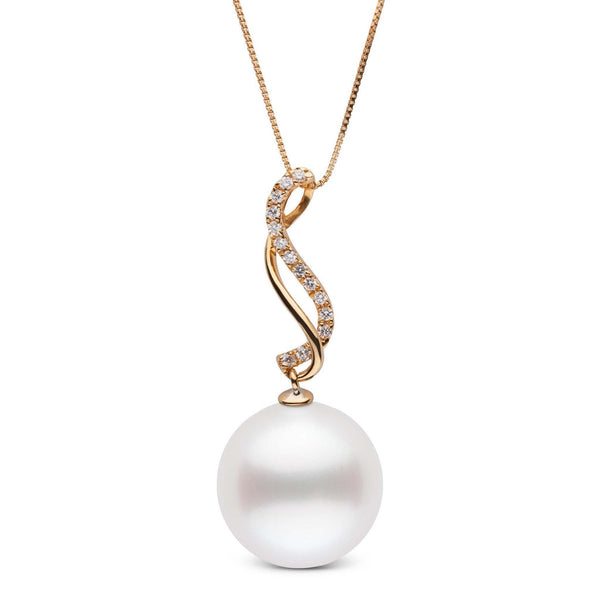
Wanderlust Collection 12.0-13.0 mm White South Sea Pearl & Diamond Pendant
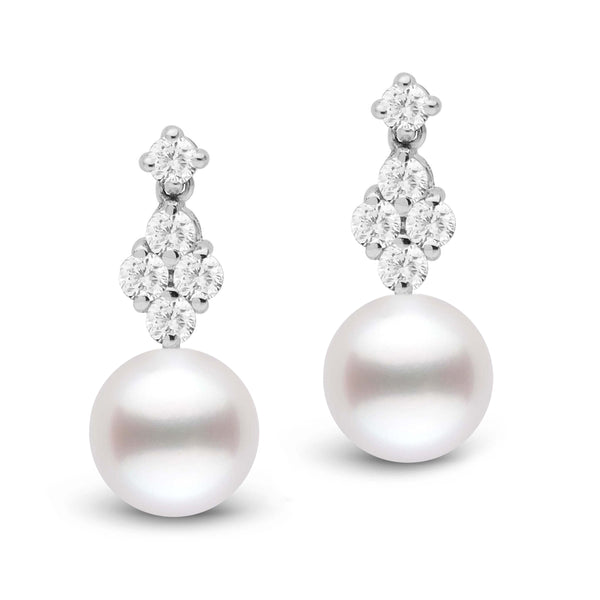
9.0-10.0 mm White South Sea Pearl and Diamond Elegance Collection Earrings
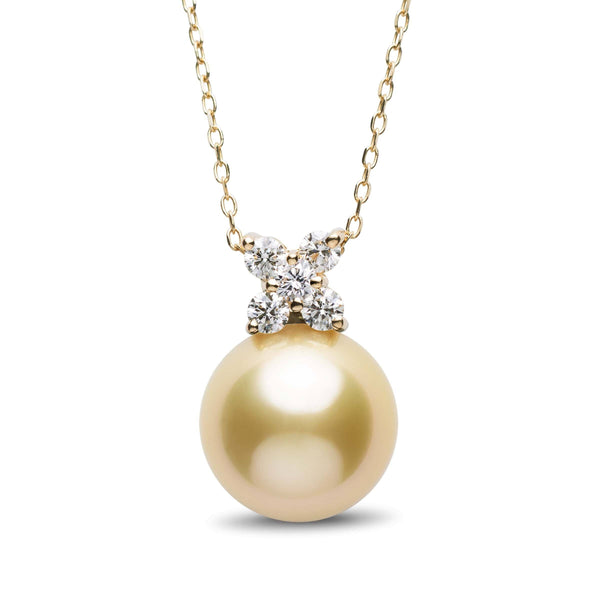
Kiss Collection 12.0-13.0 mm Golden South Sea Pearl and Diamond Pendant
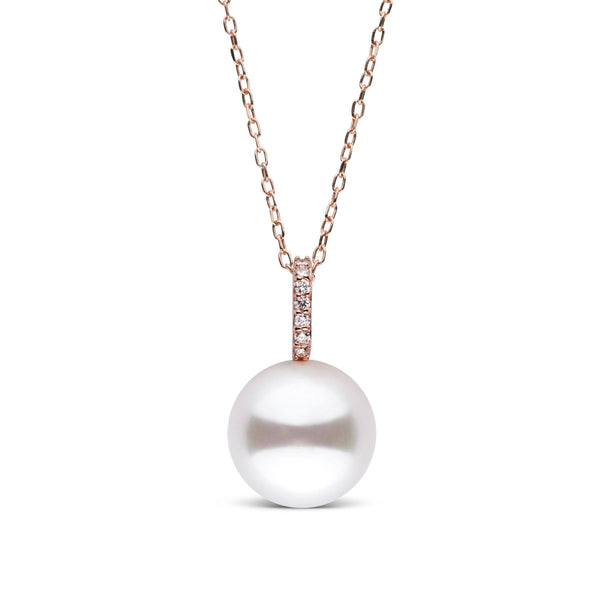
Forever Collection 11.0-12.0 mm White South Sea Pearl and Diamond Pendant
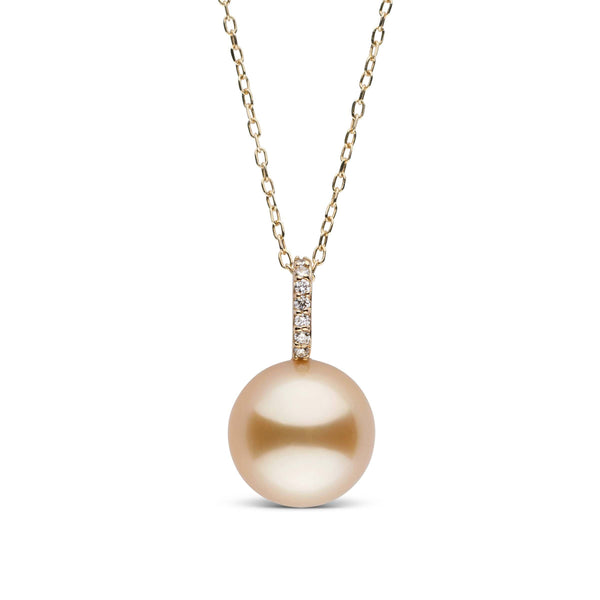
Forever Collection 11.0-12.0 mm Golden South Sea Pearl and Diamond Pendant
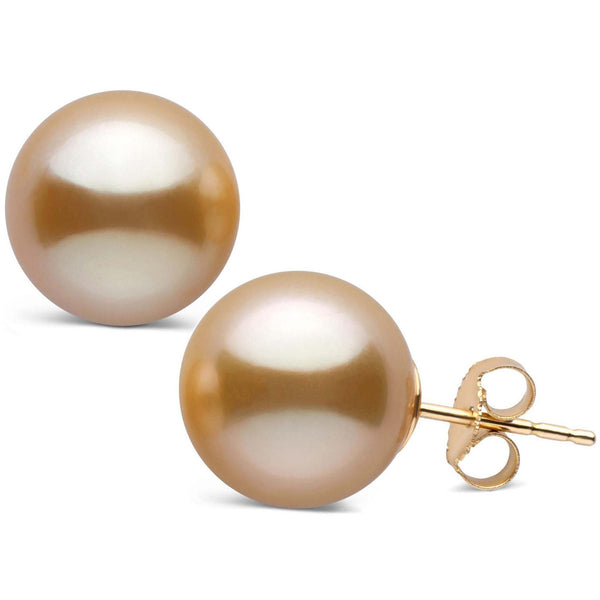
12.0-13.0 mm AAA Golden South Sea Pearl Stud Earrings
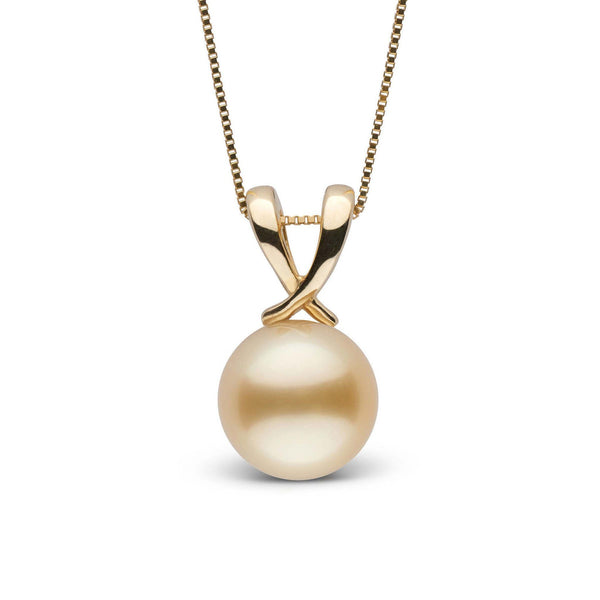
Ribbon Collection 9.0-10.0 mm Golden South Sea Pearl Pendant
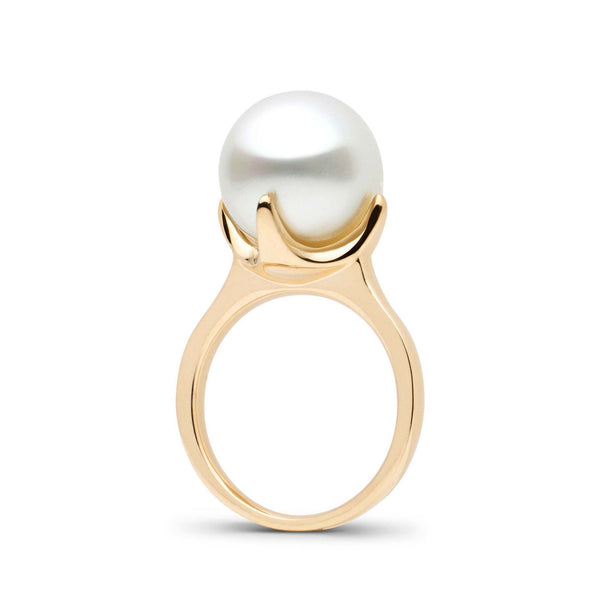
Oracle Collection 11.0-12.0 mm White South Sea Pearl Ring
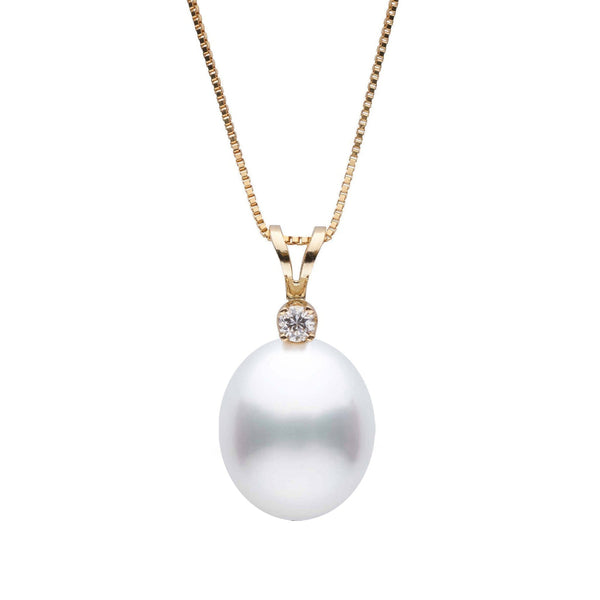
Harmony Collection Drop 9.0-10.0 mm White South Sea Pearl & Diamond Pendant
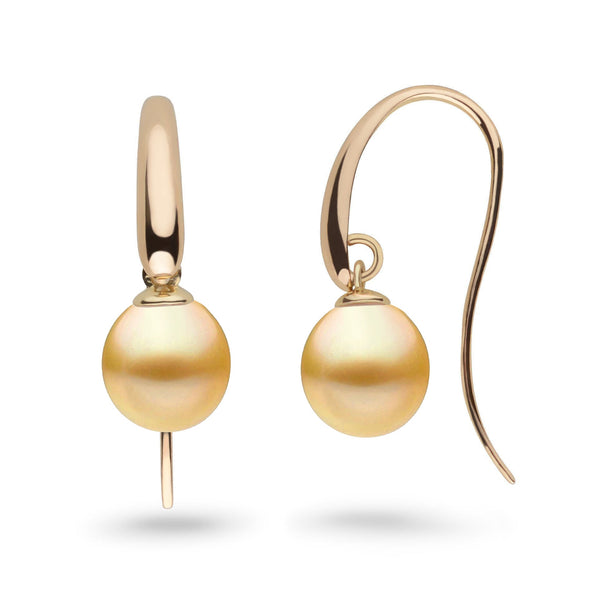
Cascade Collection 9.0-10.0 mm Golden South Sea Drop Pearl Earrings
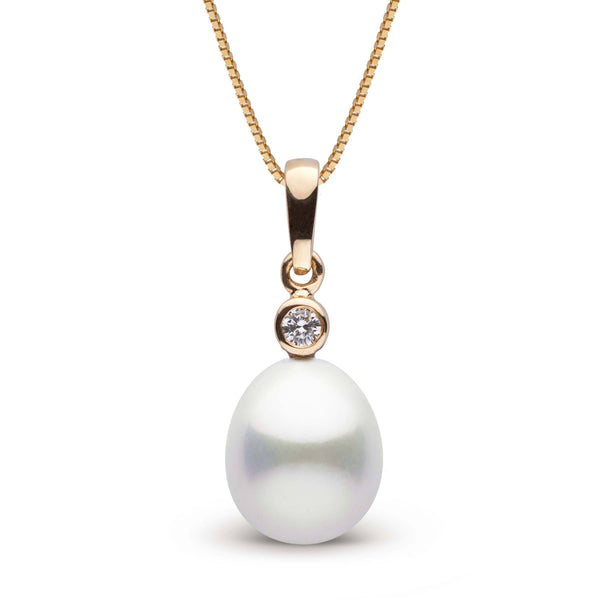
Brilliant Collection Drop 10.0-11.0 mm White South Sea Pearl and Diamond Pendant
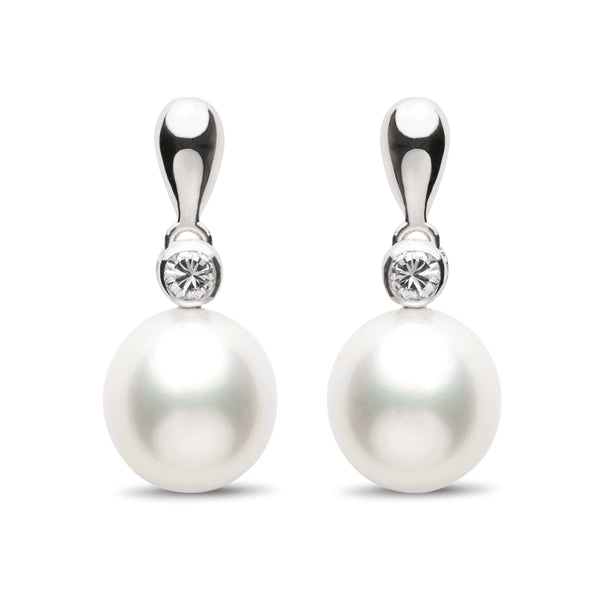
Dew Collection Drop White South Sea 10.0-11.0 mm Pearl and Diamond Earrings
What you see is what ships
Selected by hand, chosen for you
Every South Sea strand and bracelet we sell is one of a kind and photographed on its own. Never a stock image, never a stand-in. The strand on your screen is the strand that arrives, every pearl and every shade of it, strung on silk and finished with a solid gold clasp. Earrings, pendants and rings are matched and set to order, and we will photograph the exact pearl before it ships if you ask.

Why it matters who you buy from
Two shells, two pearls
South Sea pearls all come from the same mollusk, Pinctada maxima, but it comes in two forms and they do not make the same pearl. Silver-lipped shell gives white and silver. Gold-lipped shell gives champagne through deep gold. Our whites come from Australia, which is the benchmark for them, and our golds from the Philippines.
Each pearl takes years. The mollusk has to grow before it can be nucleated, then the pearl grows for two more years or longer, and storms, disease and rejection take their cut of every harvest. That is why a fine one costs what it does, and why almost no two strands are ever the same.
We buy at the source, in person. At this level a price list tells you almost nothing, because two strands carrying the same description can be a hundred thousand dollars apart.

The thing almost nobody explains
Why one AAA strand is $25,000 and another is a million
Both of those strands can honestly be called AAA. No organization defines what the letters mean for pearls, so any seller can use them however they like, and what they usually describe is surface quality alone. Four things actually set the price, and a strand has to do well on all four to reach the top of this category.
Size
Roughly 8 to 20 mm. Price climbs steeply with every millimeter, because a bigger pearl needs a bigger mollusk and longer in the water, and fewer of both survive to harvest.
Surface
These pearls spend years in the ocean, so a genuinely clean surface at 15 mm is rare. Most of what the letter grade is actually describing.
Color
The factor the grade ignores completely. A fine white-rose can be close to twice a white-silver of the same size, and a deep gold several times a light champagne.
Matching
One fine pearl is rare. A matched pair is rarer. Thirty or more matched in size, shape, color, overtone and luster can take years of production to assemble, and it is most of what a great strand is charging you for.
Reading South Sea color
Two shells, and everything between them.
South Sea is the only pearl that grows naturally gold, and that color is the single largest swing in the category's pricing. Bodycolor is the pearl itself. Overtone is the second color layered over it, and on the finest whites it is a faint rose that most photographs cannot hold.
White and silver
From silver-lipped shell grown in northern Australia, which is where ours come from. A clean white body with a rose overtone is the most sought-after combination in the category, and it commands a real premium over the same pearl in silver.
Champagne to gold
From gold-lipped shell, grown in the Philippines. The color comes from the shell and from the donor tissue used at nucleation, not from anything added afterward.
Deep gold
The rarest end of the golden range and a small fraction of any harvest. Dyed golden pearls exist in the market, which is exactly why we guarantee natural color on everything we sell.
Before you buy
Why is one AAA strand $25,000 and another over a million?
Because no organization defines what those letters mean for pearls, and what they usually describe is surface quality alone. A strand with average luster can sit in the same grade as one with extraordinary pink-white luster, and be worth a fraction of it. Size, color, luster and matching are what move the price, and none of them fit in a letter. This is why we photograph and describe every strand individually rather than asking you to trust a grade.
Are the pearls I see the ones I receive?
For strands and bracelets, yes. Every one is a one-off and photographed on its own, and we do not use stock images. Earrings, pendants and rings are shown with representative photographs because we match and set each pearl to order. Ask us and we will photograph the exact pearl before it ships, at no cost and with no obligation.
Are golden South Sea pearls dyed?
Not ours. The gold comes from gold-lipped Pinctada maxima and from the donor tissue used at nucleation. Dyed golden pearls do exist in the market, and the tell is usually color pooling in the drill hole or in surface blemishes, along with a price that does not match the rarity. Deep gold is a small share of any harvest, which is why we guarantee natural color on every South Sea piece we sell.
What sizes do South Sea pearls come in?
Roughly 8 to 20 mm, with most of the market between 10 and 16 mm. Above 16 mm in a round shape is genuinely rare, and the price climbs much faster than the size does. If you are choosing between a larger pearl and a cleaner one at the same money, look at luster first.
Where do South Sea pearls come from?
The category is produced in Australia, the Philippines and Indonesia. Australia is the benchmark for white and silver, the Philippines for golden, and Indonesia produces both and is one of the largest producers by volume. What we carry is Australian white and Philippine golden. Origin shapes a pearl because shell type and water conditions do, but it is not a grade on its own, and a fine pearl from anywhere beats an ordinary one from the best address.
What clasps and findings do you use?
Solid gold throughout, 14K and 18K. Many strands are shown with a clasp already chosen to suit the size and color of the pearls, often diamond set. If you want a different style, metal color or design, we will make the change. Carat weights and clasp details are in every product description.
A few reviews from South Sea customers
I have many strands of white pearls, from 18" to 120" in length, a long strand of baroque Tahitians, and a near perfect multicolored strand of round Tahitians with matching earrings, but I woke up one day recently wanting some golden South Sea pearls for some reason. I found the perfect strand at Pearl Paradise, and I love them!
Chinyere N.This is absolutely stunning when seen "in the flesh" - the (excellent) photos on the web site still cannot do it justice. Very shiny and glamorous! The diamonds frame the pearl very well, and it's obvious that they are high quality and well cut. The pearl itself is also, of course, top quality!
Andrew W.Classic is the best description for this pendant. Simple styling but it's needed because nothing can compare to the beauty of this large, gorgeous pearl. I will have to get me a larger white gold chain to balance out the look.
Deborah H.Still deciding?
South Sea is the category where the gap between a photograph and the pearl in your hand is widest, because luster and overtone are most of the value and a screen flattens both. Our specialists will show you strands live on camera. Most appointments run about twenty minutes.


